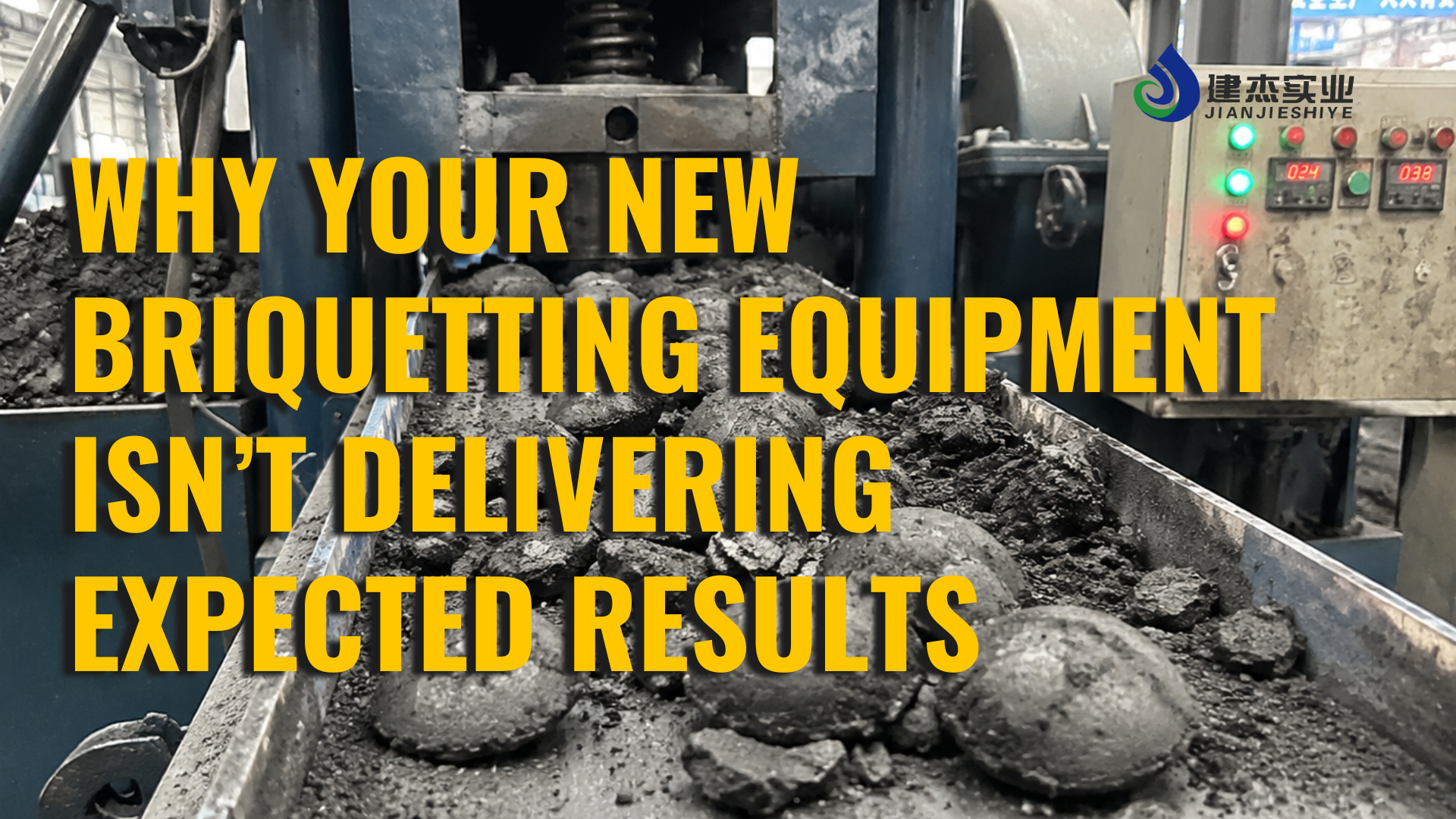
In industries handling fine particles such as ores, sludges, and dust, agglomeration processes like pelletizing and briquetting are essential for material reuse, transport, and melting. In both processes, binders serve a foundational role.
A binder in pelletization (or pelletizing) enhances green strength and thermal performance, while a binder in briquetting must ensure mechanical integrity, low moisture sensitivity, and cost-efficiency. Without a suitable industrial binder, the final product risks disintegration, high dust loss, or reduced metallurgical value.
Common options like bentonite, cement, or lime are still widely used, but they often introduce impurities, increase ash content, or require high dosages. Today, composite binders offer a more advanced alternative—delivering strength, purity, and sustainability across multiple agglomeration scenarios.
What Is a Composite Binder?
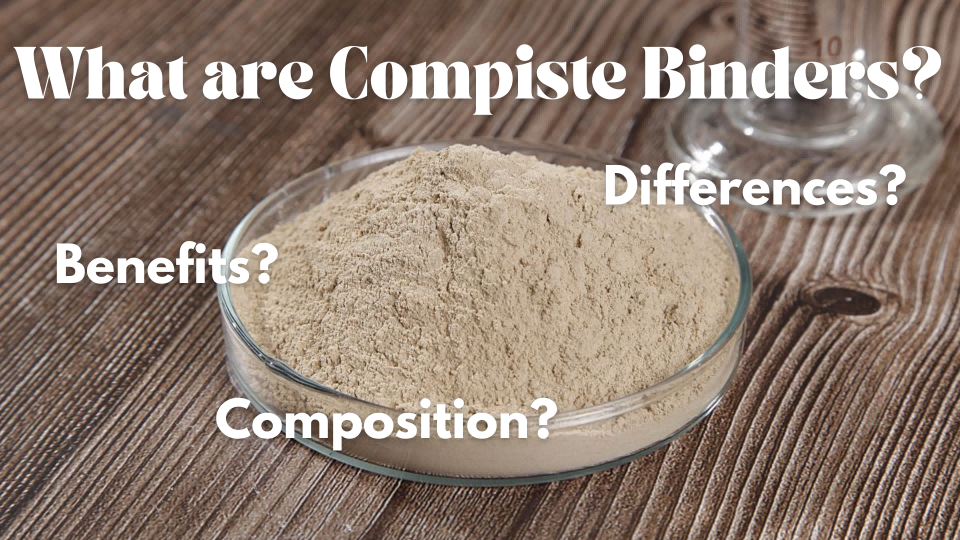
A composite binder is a synergistic blend of multiple binding agents, which typically combines inorganic, organic, or polymeric components to meet the complex performance needs of modern industry. Unlike single-component solutions, composite binders are formulated for balance: strong bonding, low dosage, minimal environmental impact.
Using Composite Binders in Pelletization
In pelletization, particularly of iron ore fines, the choice of binder affects every stage of processing—from balling to drying to firing.
Traditional inorganic binders like bentonite are widely used, but they increase ash and slag formation, require high dosages, contain silica and alumina, reduce iron content, and hence increase total cost.
On the other hand, organic binders like starch or lignosulfonate offer low ash, but lack thermal stability during firing, require tight drying control, and are more expensive.
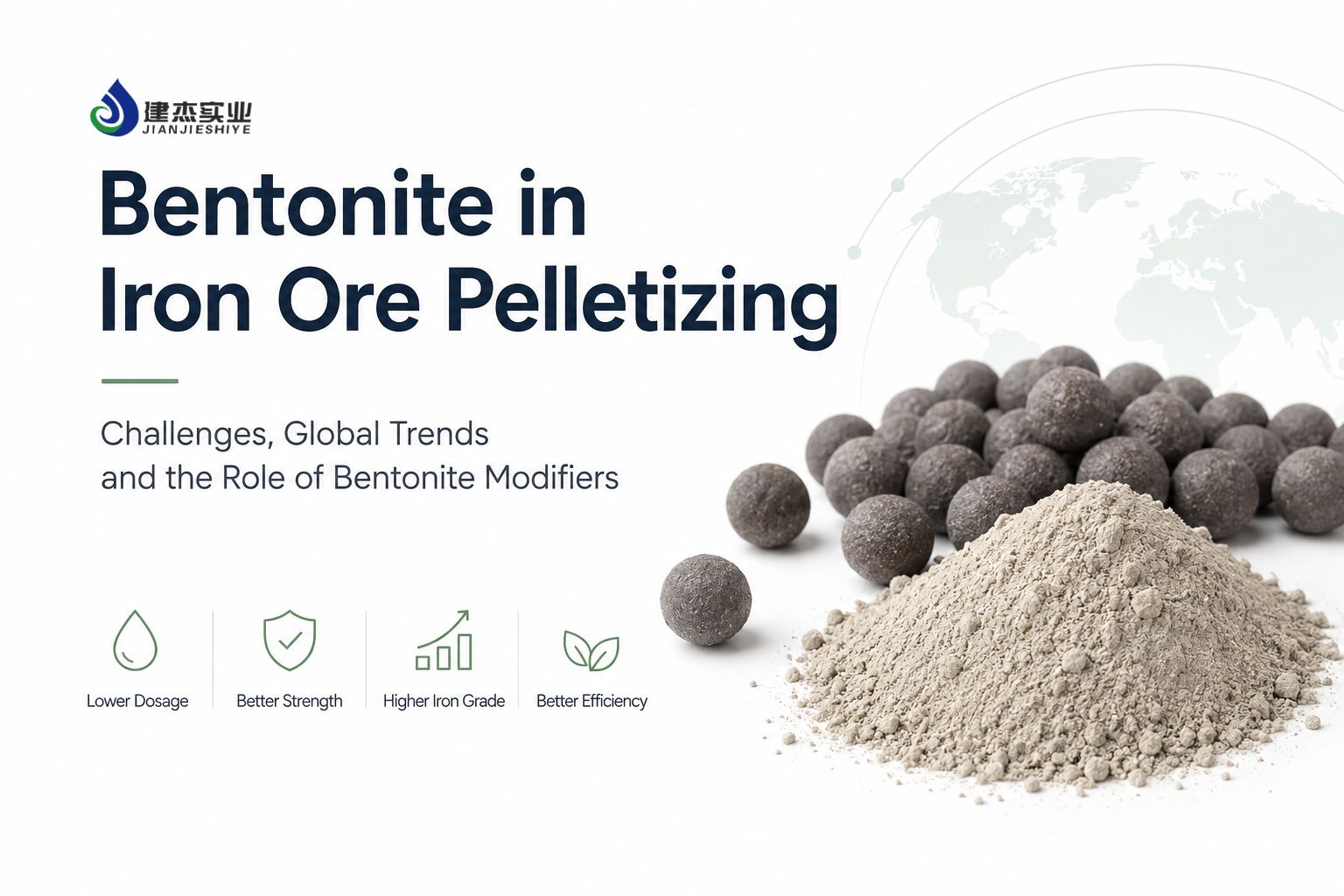
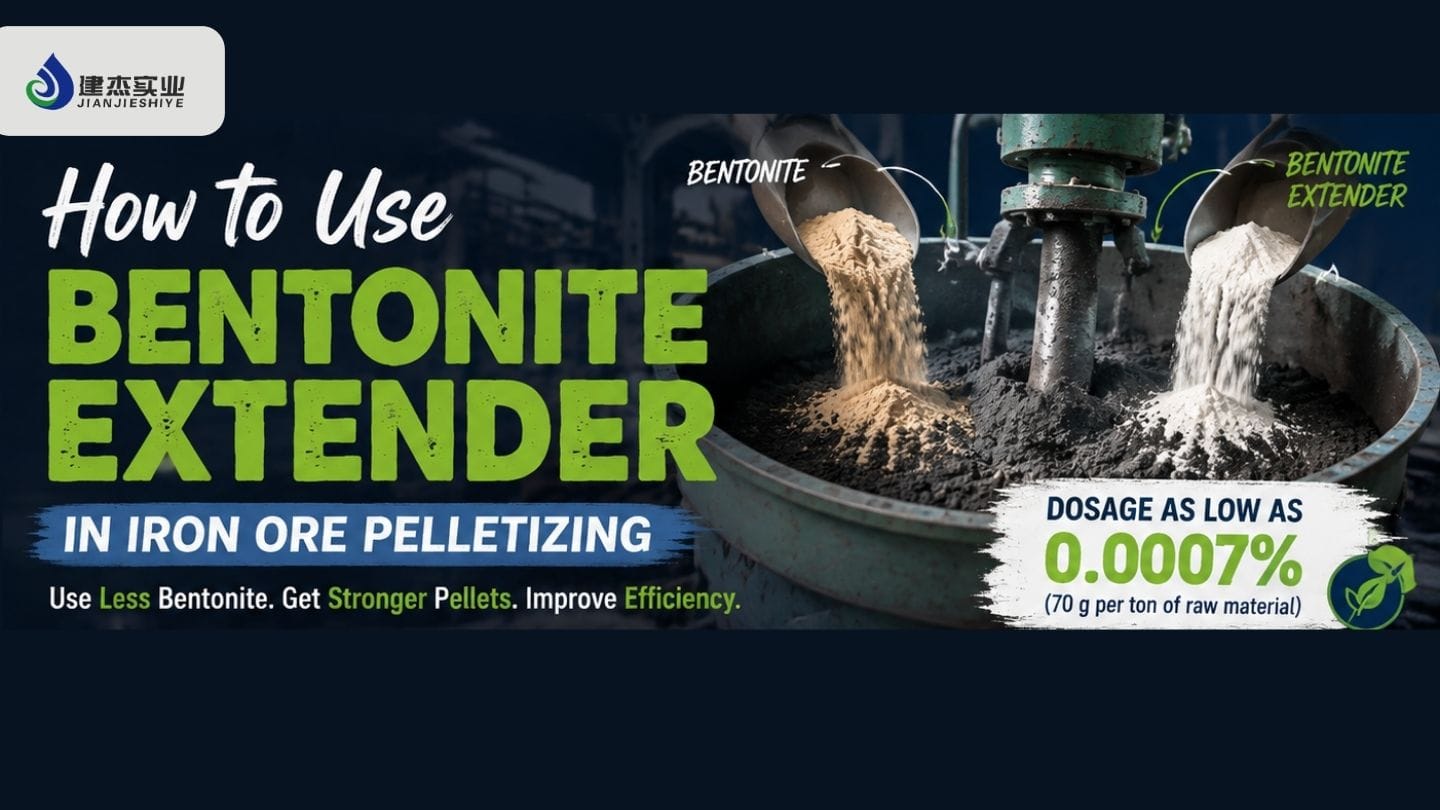
✅ Composite pellet binders solve this dilemma by combining the thermal durability of inorganic binders with the low impurity load of organic ones. For example, Jianjie’s bentonite extender achieves:
- Lower dosage, reducing cost and ash burden (for example, the dosage of bentonite extender can be reduced to 0.0035% if the bentonite’s quality is high)
- Excellent green and dry strength, with smooth balling behavior.
- Minimal impurity content, preserving iron grade while pertaining the ability of resisting high temperature.
- Stable bonding through drying and roasting.
Composite Binders in Briquetting
Briquetting is more diverse than pelletization, covering a wide range of fine materials across the metallurgical, mining, and chemical industries. The binder here must resist mechanical shock, moisture, and temperature fluctuations—all while keeping emissions low.
– Using inorganic binders in briquetting may cause issues like increase slag volume in furnaces, make briquettes brittle and dust-prone, add ash, which interferes with metallurgy
– Using organic binders in briquetting may cause issues such as poor water resistance, degrade under pressure or long-term storage, and burn out prematurely in thermal applications.
✅ Using composite binders in briquetting overcomes these issues by blending organic and inorganic components for optimal balance. Benefits include:
- Low dosage, reducing cost and ash burden
- Excellent dry strength, with smooth balling behavior
- Minimal impurity content, preserving iron grade
- Stable bonding through drying and roasting
Why Use Composite Binder?
Balancing the performance of inorganic and organic binders by providing good thermal strength and lowered impurities, composite binders have become more and more popular across pelletizing and briquetting operations.
| Feature | Advantage |
| Low Dosage | Reduces cost, improves yield |
| Low Impurity Content | Maintains product purity and metallurgical value |
| Versatility | Effective across metals, minerals, and recycling materials |
| Thermal & Mechanical Stability | Suitable for both drying, firing, and cold pressing |
| Green Production | Supports low-emission, sustainable manufacturing goals |
As a leading binder developer of agglomeration solutions, Jianjie Binder specializes in designing composite binders tailored for:
- Pelletization of iron ores
- Cold briquetting of steel-making residues (e.g. mill scale, EAF dust, iron sludge) and ore fines (e.g. phosphorous powder, coal power, coke fines, etc.)
- Mineral recycling and by-product reuse (e.g. red mud)
Summary
As industries strive to maximize the reuse of fine materials while minimizing waste and emissions, composite binders are emerging as a superior choice in both pelletizing and briquetting applications. Traditional organic or inorganic binders often force trade-offs between strength, purity, and cost, whereas composite binders from JianjieBinder deliver optimized performance through tailored multi-component formulations.
By improving agglomerate strength, reducing binder dosage, and supporting environmental goals, composite binders are helping industries unlock more efficient, cleaner, and more reliable agglomeration solutions.
Contact Jianjie for Free Binder Sample Now
Frequently Asked Questions (FAQs)
Yes. One of the main advantages of composite industrial binders is their flexibility. JianjieBinder offers formulation customization based on material characteristics such as pH, particle size, metal content, and processing conditions. Whether you’re dealing with red mud, mill scale, or phosphorus powder, the binder can be adjusted for optimal performance.
While both are designed to improve agglomeration, the requirements toward a pellet binder and a briquette binder overlap. For example, briquettes and pellets need to pass several tests (CCS test, wet strength test, dry strength test, thermal strength etc.).
There are also some differences. For example, we rarely choose molasses for iron ore pelletizing because it can hardly resist the high temperature. Bentonite is also not and ideal binder for briquetting because it contains several gangue components that will lower the metal content in briquettes (used in iron ore pelletizing because it increases the burst temperature of pellets).
When choosing the binders for your agglomerates, make sure the binder features satisfy your needs.
Binder dosage directly influences material yield, ash content, and production cost. High-dosage binders (especially inorganic ones like bentonite or cement) can dilute product quality and increase furnace slag. Usingle composite binders can help plants/steel mill decrease the use of bentonite, which improves iron grade, reduces impurity loads, and lowers overall costs. In some cases, such as using Jianjie’s bentonite extender for pelletization, the dosage of our bentonite extender can drop to as low as 0.0035%, significantly boosting efficiency.