
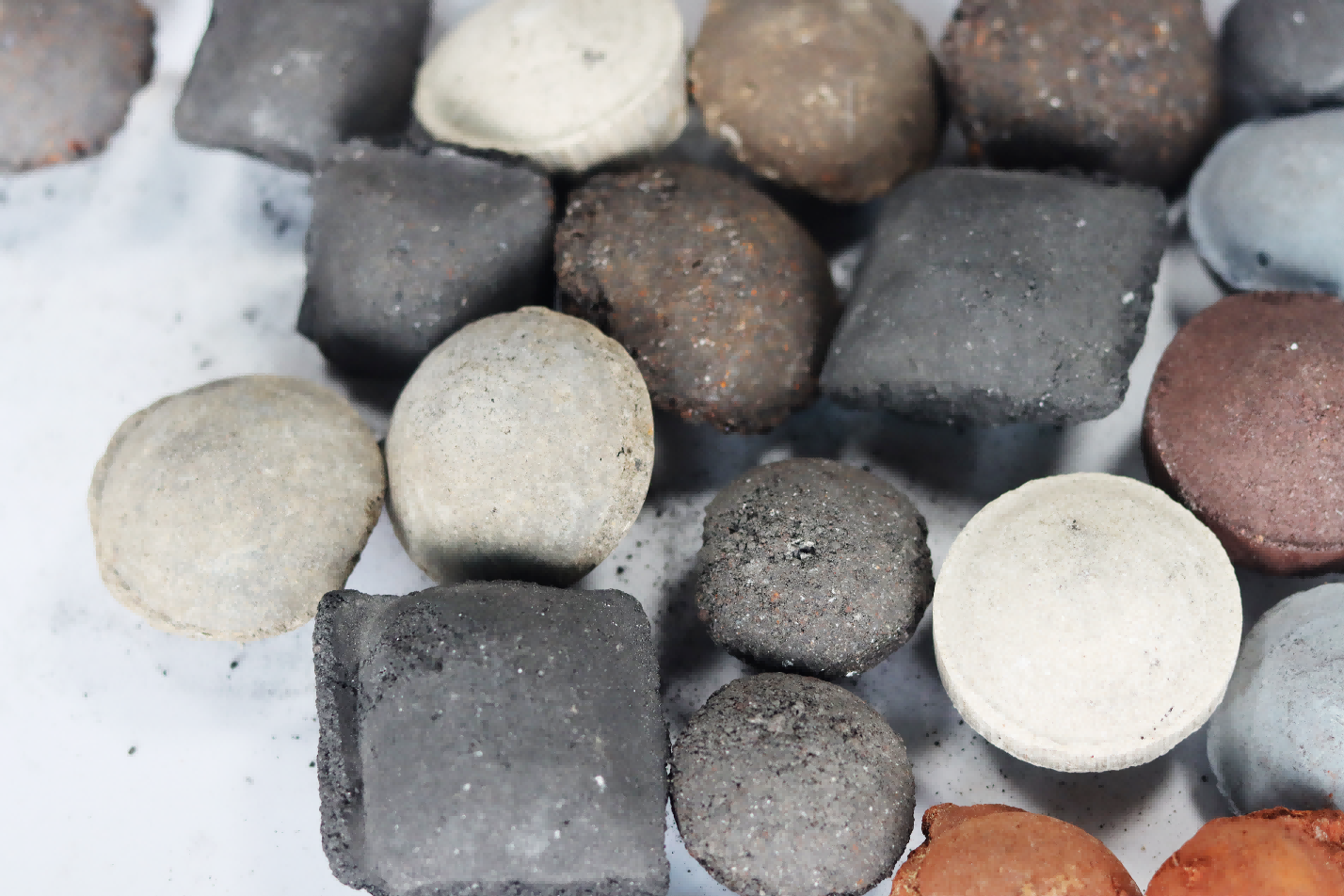
With increasing environmental regulations and pressure to improve resource utilization, industries are exploring sustainable ways to reduce pollution and recycle waste. البريكيت, a process that compresses fine particles and powders into dense, solid briquettes, is gaining prominence across sectors such as steel recycling, coal processing, and metallurgical operations. Whether it’s recovering valuable metals, poducing cleaner-burning fuels, or minimizing solid waste, briquetting is becoming a critical tool for industrial sustainability and cost efficiency.

What is Briquetting?
Briquetting is the process of compressing loose or fine solid materials into compact, uniform briquettes using specialized machinery known as a briquetting machine. By applying pressure—often without heat in the case of cold briquetting—materials like metallurgical fines, dustو الحمأة are formed into durable shapes for industrial reuse.
What Are Briquette
Since cold briquetting refers to a technique where powdery materials such as dust, sludge, scale, and coke fines are mixed with binders, briquettes are the finished products of briquetting. Briquettes are dense, uniform, and in different shapes such as round and bricks. They typically have a diameter of 50–60 mm, but the size can vary depending on the real needs. After molding into the desired shapes, briquettes are dried to attain the mechanical strength necessary for reuse in steelmaking or other manufacturing process.
Cold briquetting is conducted at room temperature, which avoids the need for high-temperature sintering, making it energy-efficient, space-saving, and cost-effective. The process typically involves mixing raw materials with a binder, molding them under pressure using a briquette press machine, and then drying the final product.
Common Raw Materials Used in Cold Briquetting
Materials suitable for cold briquetting include:
- Steel Waste Recycling: Blast furnace dust, converter sludge, mill scale, steel slag
- Coal Industry: Coal fines, غرامات فحم الكوك, أنثراسايت dust, semi-coke
- Metallurgy and Mining: Manganese ore fines, chromite dust, silicon carbide, aluminum oxide, red mud, etc.
- Other Sectors: Lime sludge, gypsum, fly ash, biomass ash, industrial byproducts
Some of the materials are often considered hazardous waste if discarded, for instance, red sludge from bauxite processing. But through briquetting, they become valuable metallurgical feedstock.
Applications and Benefits of Cold Briquetting Across Industries
Steel and Iron Industry

- Steel Waste Recycling: Convert dusty byproducts into strong briquettes for reuse in blast furnaces
- Coolant in Furnace: Briquettes made from steel waste can be reintroduced to furnace to help regulate furnace temperature during smelting
- Slagging Agent: Help speeding up slag formation in furnace, improving the production efficiency
Coal Industry

- Coal Briquettes: Create cleaner, long-burning fuel for domestic heating, BBQs, and industrial use
- Transport Efficiency: Briquettes reduce dust and volume, lowering transport and storage costs
Metallurgical Sector

- Smelting Additives: Metallurgical briquettes introduce specific elements during smelting
- Densification: Increase material density for optimized furnace performance
Environmental Management
- Pollution Reduction: Limit airborne dust and leaching from uncontained waste
- Waste Utilization: Convert harmful residues into reusable resources
- Carbon Emission Reduction: Decrease reliance on primary raw materials and reduce CO₂ output
- Solve Storage and Landfill Issues: Briquetted products can save up storage space for plants. Moreover, instead of putting the waste into landfills, briquetting turn waste into values and reduce the landfill issues.
How Briquettes Are Made: The Cold Briquetting Process
Cold briquetting technology offers an effective method for many industries. By incorporating suitable binders, fine particulate waste is compacted into high-strength briquettess, enabling efficient recovery and reuse. Here are the steps of the manufacturing process of producing cold briquettes.
Watch the video:
The Process of Cold Briquetting

The equipments involved in the briquetting process:

Raw Material Preparation
Prepare the raw materials used in cold briquetting, such as blast furnace dust, converter sludge, sintering dust, mill scale, coke fines, or metallic sludge. It’s important to screen, dry, and proportionate materials to ensure uniform composition.
Equipment:

Hopper: For storage and feeding

Rotary Drier: To pre-dry the materials
Mixing and Blending
Usually, mixing and blending are divided in to two phases: dry mixing and wet mixing.
As the raw material is being conveyed on the belt conveyor, binder hopper will feed binder to the raw materail. Then, we need to mix these dry materials together. This is the dry mixing
Next, a precise amount of water is introduced to the mixed dry powder at the end of dry mixing phase and the second mixing is starting. Through thorough mixing, all components are evenly distributed, enhancing the stability of the subsequent forming process.
Equipment:

Twin Shaft Mixer:
A widely used mixer in cold briquetting. It has two shafts that are horizontally placed and rotates toward different direction. Twin shaft mixer is applicable for coal processing, metallurgical powder processing and materials mixing. It is easy to maintain, stable, high efficient and energy saving.

Binder Hopper
Used for feeding binder to the materials. When the binders are fed through the hopper into the machine, they are transported via the screw feeder directly into the high speed mixer, where the raw materials and binders are thoroughly mixed.
Forming Briquettes
The mixture is fed into a briquetting machine or briquette press machine, where it is compacted into uniform shapes—either balls or bricks.
Equipment:

Briquetting Machine
Applicable Materials: Various metal ore powders and slags, including iron powder, sponge iron powder, manganese powder, aluminum powder, magnesium powder, metal silicon powder,chromium powder,etc.

Hydraulic Briquetting Machine
Applicable Materials: Aluminum powder, iron powder, iron slag, oxide scale, charcoal powder, coal powder, coking coal, carbon powder, gypsum, kaolin, clay, activated carbon, tailings, slag, sludge, etc.
Drying and Curing
Freshly formed briquettes typically retain a high moisture content. They must be dried in dryers or air-dried (for example, use air-dried binders) to remove excess moisture and enhance structural integrity.
Equipment:

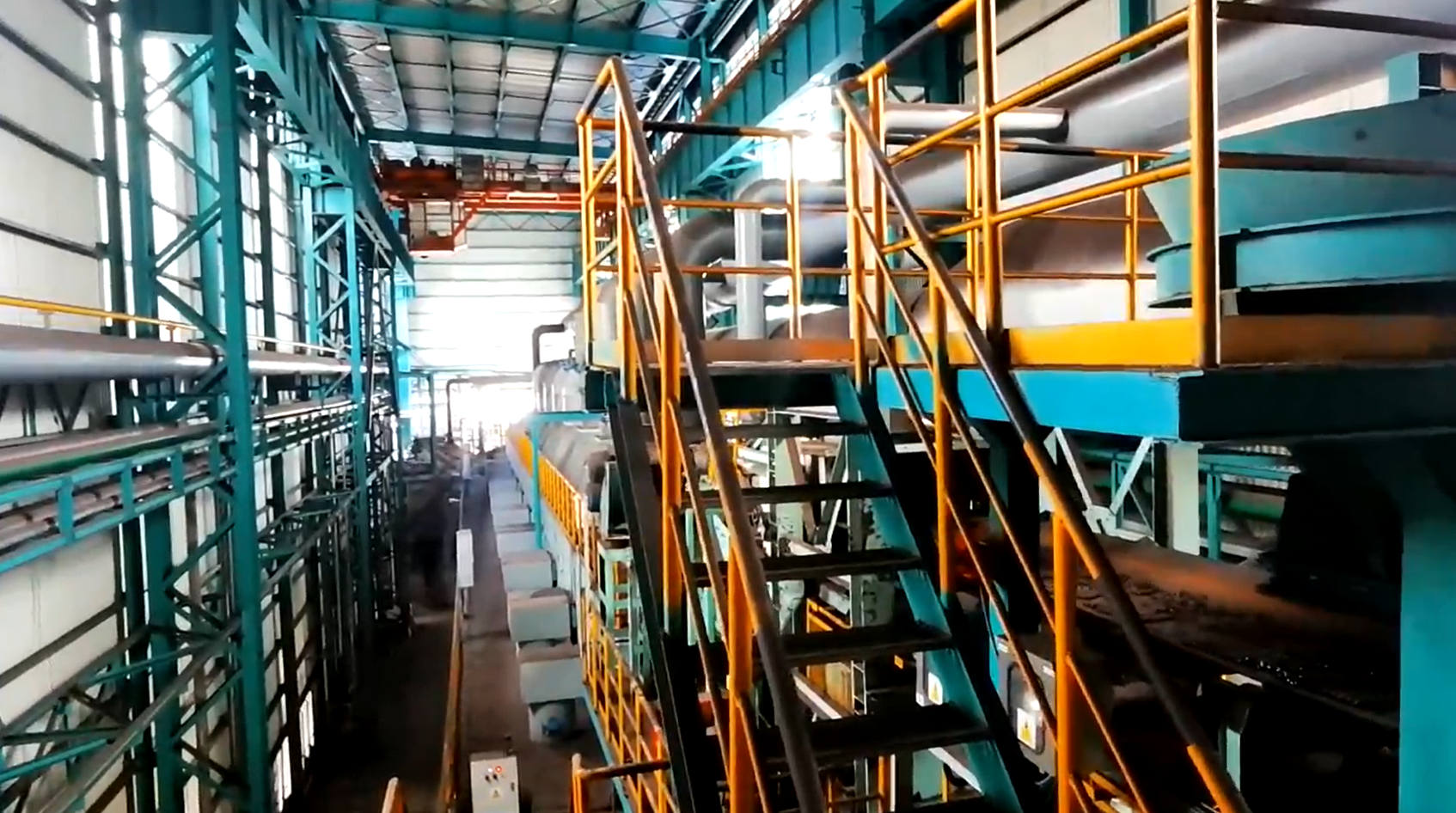
Mesh Drier
(for high-throughput drying) Use for finished briquettes to dry. The briquettes will be placed and dried on the mesh drier.
Storage and Application
Once cured, briquettes can be stored, transporter, or used directly in furnaces, boilers, or other industrial equipment.
The Role of Binders in Cold Briquetting
Binders in briquetting play a critical role in making a successful briquettes. Since briquetting involves compressing fine powders into solid briquettes without heat, a suitable binder is necessary to hold the particles together and ensure structural integrity.
Binder can offer briquettes several important attributions:
Adhesion: Helps different particles stick together during compression in the briquetting machine
Durability: Enhances the mechanical strength of the briquette, preventing cracks or crumbling
Water Resistance: Improves resistance to moisture and weather conditions during storage or transport
Thermal Stability: Allows briquettes to remain intact under high temperatures in furnaces or boilers
Chemical Neutralization: Some binders can neutralize reactive compounds (e.g., CaO in steel dust) to prevent swelling or disintegration
Types of Binders:
- Inorganic Binders: Cement, lime, clay—commonly used in coal briquettes and heavy-duty industrial applications
- Organic Binders: Molasses, starch, lignosulfonate—environmentally friendly but may have lower thermal resistance
- Synthetic/Composite Binders: Engineered binders like Jianjie’s that combine strength, compatibility, and environmental safety
The choice of binder directly affects briquette quality, cost efficiency, and downstream usability. High-quality binders ensure briquettes made from steel waste, coal powder, or metallurgical residues meet industrial standards for recycling and reuse.
Advantages of Jianjie Binder in Cold Briquetting

Jianjie Binder is a high-performance binding solution designed for use across all types of briquetting applications—from steel waste recycling to coal briquettes and metallurgical briquettes.
Superior Bonding Performance
Jianjie binder significantly enhances qualification rates, ensuring structural stability during the cold-pressing process while minimizing cracks and breakage. Each ton of Jianjie binder can produce 25–35 tons of briquette with a qualification rate of 98%. The wet briquettes can remain intact after a 2-meter drop test, while the dried briquttes can achieve a strength of over 100kg. Finished briquettes show no situations like cracking, disintegration, or pulverization.
Help Remove Calcium Oxide (CaO)
جيانجي CaO resisting binder possesses patented technology for removing anti-calcium oxide in dedusting ash. The active calcium oxide present in the dedusting ash absorbs water and expands 1.5 to 2.5 times in volume, which can cause the briquettes to disintegrate and pulverize during the drying or air-drying process, leading to an excessively high pulverization rate. This binder contains anti-calcium oxide components that can effectively inhibit briquettes disintegration.
Enhancing Metallurgical Performance
The binder helps optimize the chemical properties, enabling them to perform better in blast furnaces.
Increasing Stability
The binder improves the briquettes’ thermal stability, ensuring they remain intact under the high-temperature conditions of steel production.
Strong Binding Force
Contains high-binding-force components, requiring minimal usage while delivering high adhesion. It ensures a high qualification rate and excellent cold strength, meeting the requirements for steelmaking recycling.
Environmentally Friendly and Non-Toxic
Composed of eco-friendly materials, Jianjie binder releases no harmful substances, ensuring safety for both the environment and workers.
Wide Product Selection
Jianjie binder for briquettes is compatible with various types of steel plant solid waste materials, accommodating different compositions and particle sizes to meet diverse forming requirements. Check the briquette binder series.
Summary
From coal briquettes to steel waste recycling, briquetting is revolutionizing how industries handle fine or dusty materials. This sustainable technology allows companies to recover value, reduce emissions, and lower operational costs—all while contributing to a circular economy.
Interested in improving your briquetting process?
Please contact us via [email protected] أو leave us a message. Let us help you build long-term benefit. Looking forwarding to hearing from you!


 Arabic
  English
  Chinese
  Russian
  Indonesian