
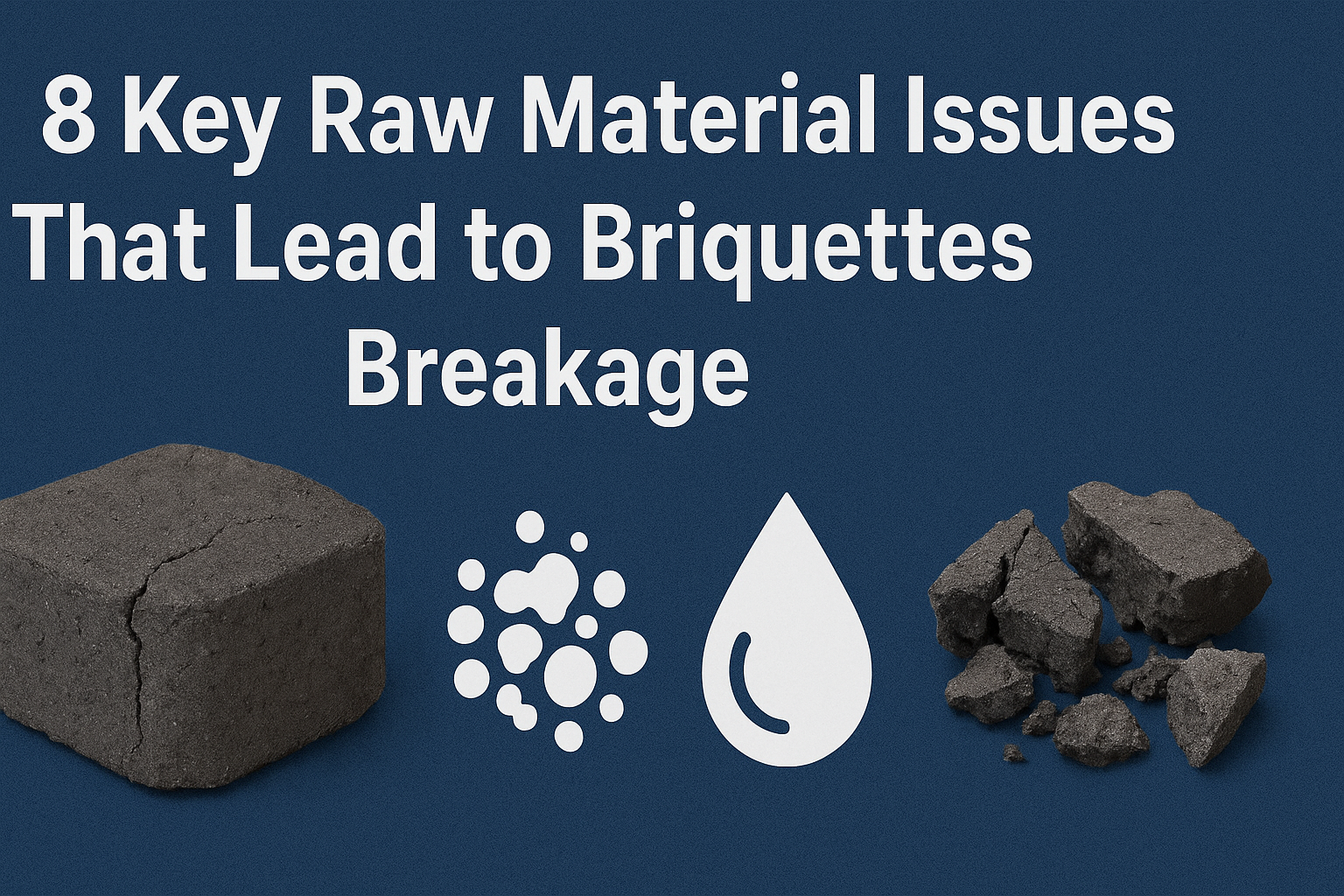
In cold briquetting process, many industries face a frustrating problem: briquettes that break easily during drying, storage, transportation, or use. Broken briquettes not only increase rework rates and production costs but also disrupt downstream processes and negatively impact customer satisfaction.
While equipment and operating parameters are often blamed, the real root cause often lies in the raw materials. In many cases, the majority of cold briquetting failures can be traced back to raw material problems. Without addressing these issues at the source, even the most advanced machines or binders cannot achieve stable, high-quality briquettes.

Broken Briquettes
This article draws on Jianjie Group’s practical field insights to briefly introduce eight common raw material issues that can cause cold briquettes to break or become brittle. We hope it will help you better understand these challenges and take steps toward improving the stability and quality of your briquetting process.
Why Raw Materials Are the Key to Affect Briquettes Quality
Cold briquetting is a typical powder agglomeration process. Through external pressure and the role of binder, fine powders are compacted into stable, high-strength briquettes without thermal treatment.
If the raw material has defects, the internal structure of the briquette becomes unstable, resulting in low strength, cracks during drying, and high breakage rates during storage or transportation.

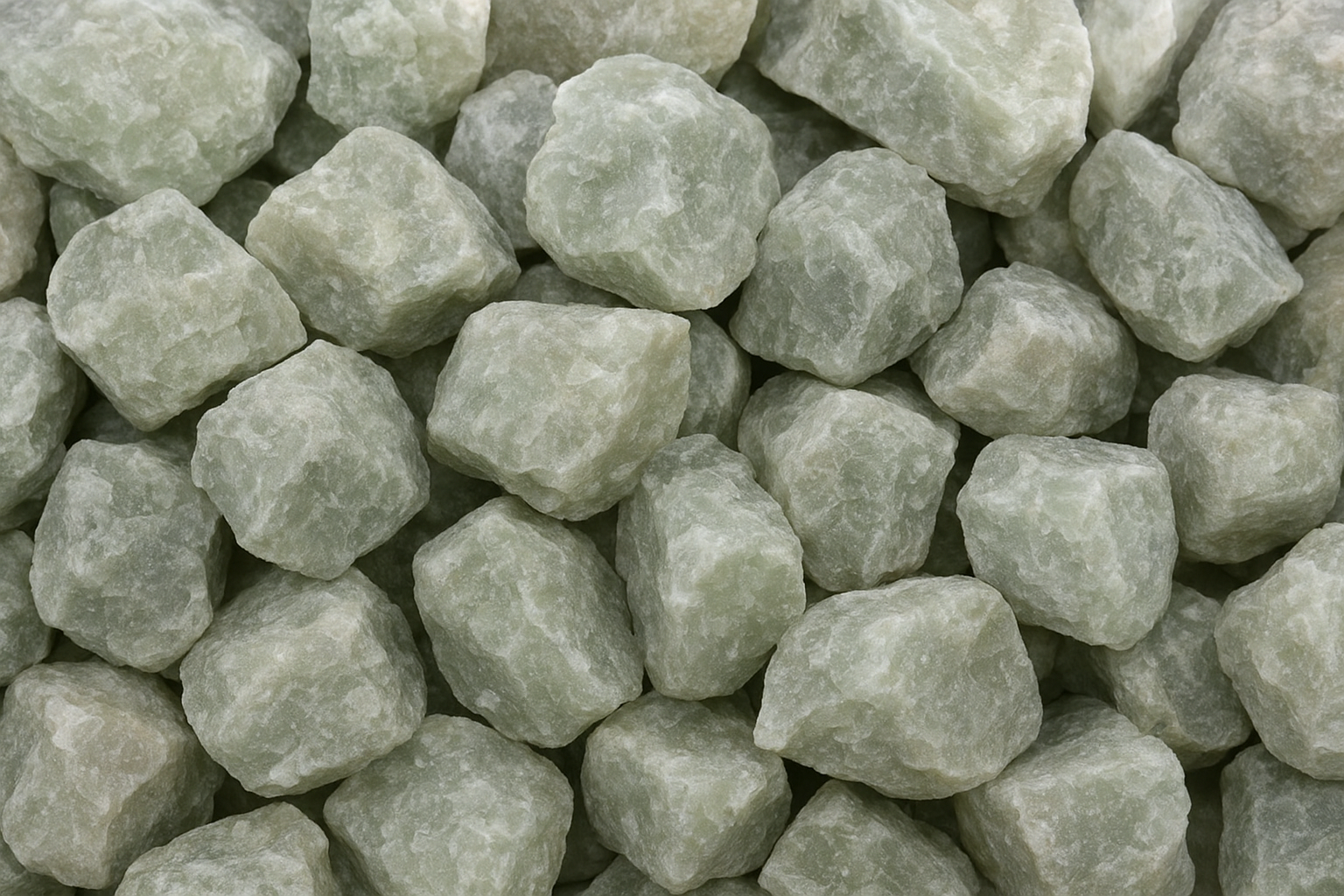
Raw Material Pile
For example, in steel plant, if EAF dust or mill scale contains excessive fine particles or moisture fluctuations, the resulting briquettes may crumble during handling or disintegrate in the furnace. This not only disrupts production process but also increases recycling costs and material losses.
Addressing these raw material challenges at the source ensures reliable briquette performance and more efficient recycling or smelting operations.
8 Critical Raw Material Problems That Lead to Briquettes Breakage
Over years of on-site investigations and production analysis, it has been found that most cases of briquette breakage are closely linked to raw material characteristics rather than equipment or binder performance.
The following eight raw material issues are the most common root causes of poor briquette strength and durability. By understanding how these problems arise and affect the briquetting process, producers can take targeted actions to improve briquettes stability and reduce breakage rates.
1. Uneven or Excessively Fine Particle Size
Raw materials with poorly graded or overly fine particles struggle to form a stable internal structure. Freshly pressed briquettes may appear smooth, but as drying progresses, uneven shrinkage occurs due to high porosity, leading to cracks and easy breakage during handling or transport.
2. Unstable Moisture Content
Moisture fluctuations, whether from inconsistent raw material storage, transport, or absorption, directly affect briquetting and drying. Excess moisture causes warping and cracking during drying, while too little prevents full binder activation, resulting in weakly bonded particles and poorly formed briquettes.
3. High Impurity Levels
Raw materials containing impurities such as Cl, S, P, Zn, or Pb can produce surface defects and internal weaknesses. During high-temperature use, these impurities may vaporize or react, compromising structural integrity and increasing environmental compliance risks.
4. Inconsistent Chemical Composition
Variation in key chemical components across batches leads to unpredictable briquettes strength and size. Plants may need to frequently adjust equipment or binder ratios, making standardized production difficult and reducing operational reliability.
5. Presence of Oils or Organic Contaminants
Some raw materials, especially industrial by-products, contain oils or other organic residues that coat particle surfaces. This prevents effective binder adhesion, resulting in weakly compacted briquettes that are prone to cracking, particularly under high-temperature conditions.
6. Poor Compatibility with Binders
Certain raw material surface properties, such as high oil content, the presence of waxes, or reactive impurities, can interfere with binder performance. Even when the binder dosage is carefully optimized, these materials may still produce fragile briquettes. This highlights the importance of selecting binders that are well-matched to the characteristics of the raw materials.
7. Unstable Supply and Handling Conditions
Variations in suppliers, inconsistent material quality, and storage or transportation challenges can exacerbate other raw material issues, such as moisture fluctuation or contamination. Unstable supply chains increase the risk of batch-to-batch variation and production disruptions.
8. High Calcium Oxide (CaO) Content
Materials with elevated CaO levels are highly hygroscopic. When exposed to moisture, CaO expands, causing internal stresses that lead to self-cracking, surface bulging, or powdering.
This reduces storage stability and overall briquette yield. If left unaddressed, excessive CaO content significantly lowers production yield and increases material waste.
Jianjie Binder Solutions and Service Support for High-quality Briquettes
While raw material challenges are often complex and cannot always be fully resolved at the production site, their negative impact on briquetting can be significantly reduced through the right technical approach.
Jianjie focuses on providing high-performance tailored binders, designed for different types of raw materials and professional support services to help producers stabilize their cold briquetting processes and improve overall product quality.

Jianjie Briquetting Binder
How Jianjie Can Help Improve Briquettes Performance
Tailored Binder Formulations
Custom-designed binders to address specific raw material issues, such as high-zinc EAF dust or powders with oil contamination.
Dynamic Recipe Guidance
Recommendations for adjusting binder ratios in response to fluctuations in raw material composition, ensuring more consistent performance.
Improved Particle Bonding
High-activity binders that enhance adhesion in ultra-fine or high-porosity materials, helping to offset structural weaknesses.
Moisture Tolerance Enhancement
Binders formulated to remain effective within a wider moisture range, reducing the risk of cracking caused by uneven water content.
Technical Consulting and Support
On-site guidance to help plants optimize handling practices, stabilize supply chains, and standardize quality control procedures.
By combining targeted binder solutions with process expertise, Jianjie assists customers in minimizing the effects of raw material variability, resulting in stronger, more durable briquettes and more reliable furnace performance.
Collaborative Approaches to Improve Briquettes Quality
Briquettes breakage usually results from several raw material issues interacting with each other. While these challenges cannot always be completely eliminated, they can be effectively managed through careful monitoring and process adjustments.
Jianjie Group supports customers with high-performance binders and on-site technical guidance that integrate with existing production processes to enhance briquette strength and reduce breakage rates.
Reach out to Jianjie for professional binder solutions and technical support to address your raw material challenges, enhance briquette strength, and reduce breakage in your cold briquetting process.


 Arabic
  English
  Chinese
  Russian
  Indonesian