
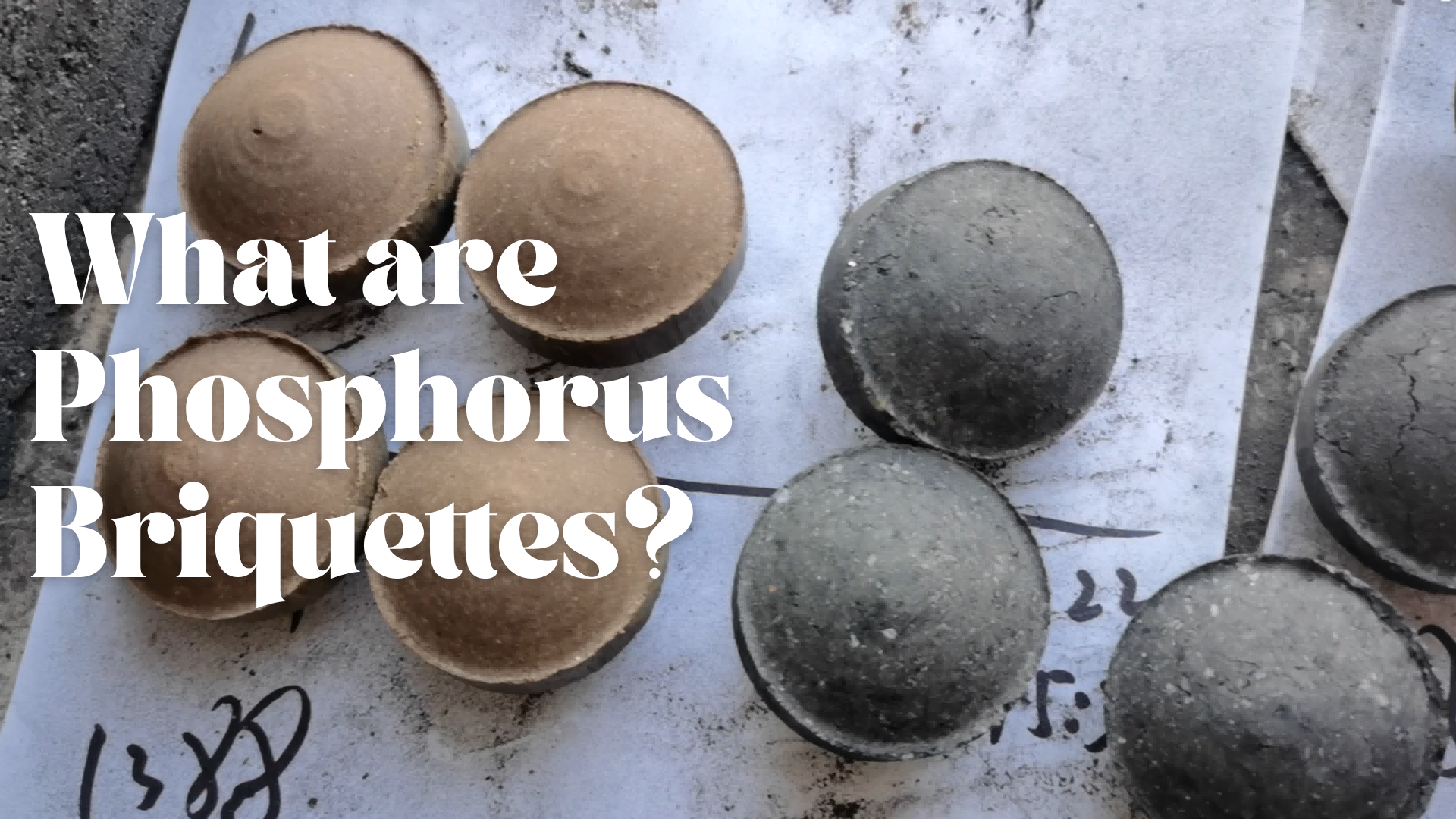
The top two countries in terms of global phosphate rock reserves are Morocco and China. Phosphorus powder, a byproduct generated during phosphate ore crushing, beneficiation, and dust collection, contains abundant phosphorus resources. Yet due to its fine particle size and dust-like properties, it is often discarded or underutilized—causing not only resource waste but also serious environmental pollution.
Moreover, feeding loose phosphorus powder directly into high-temperature furnaces such as electric or submerged-arc furnaces (used for white phosphorus production) can destabilize the furnace load and interfere with the reaction process. This makes direct application impractical.
Cold briquetting technology provides an effective solution to these challenges by converting phosphorus powder into dense, furnace-ready briquettes. This article explores the challenges, technical process, and advantages of using cold briquetting to unlock the full potential of phosphorus powder, especially in making white phosphorus.

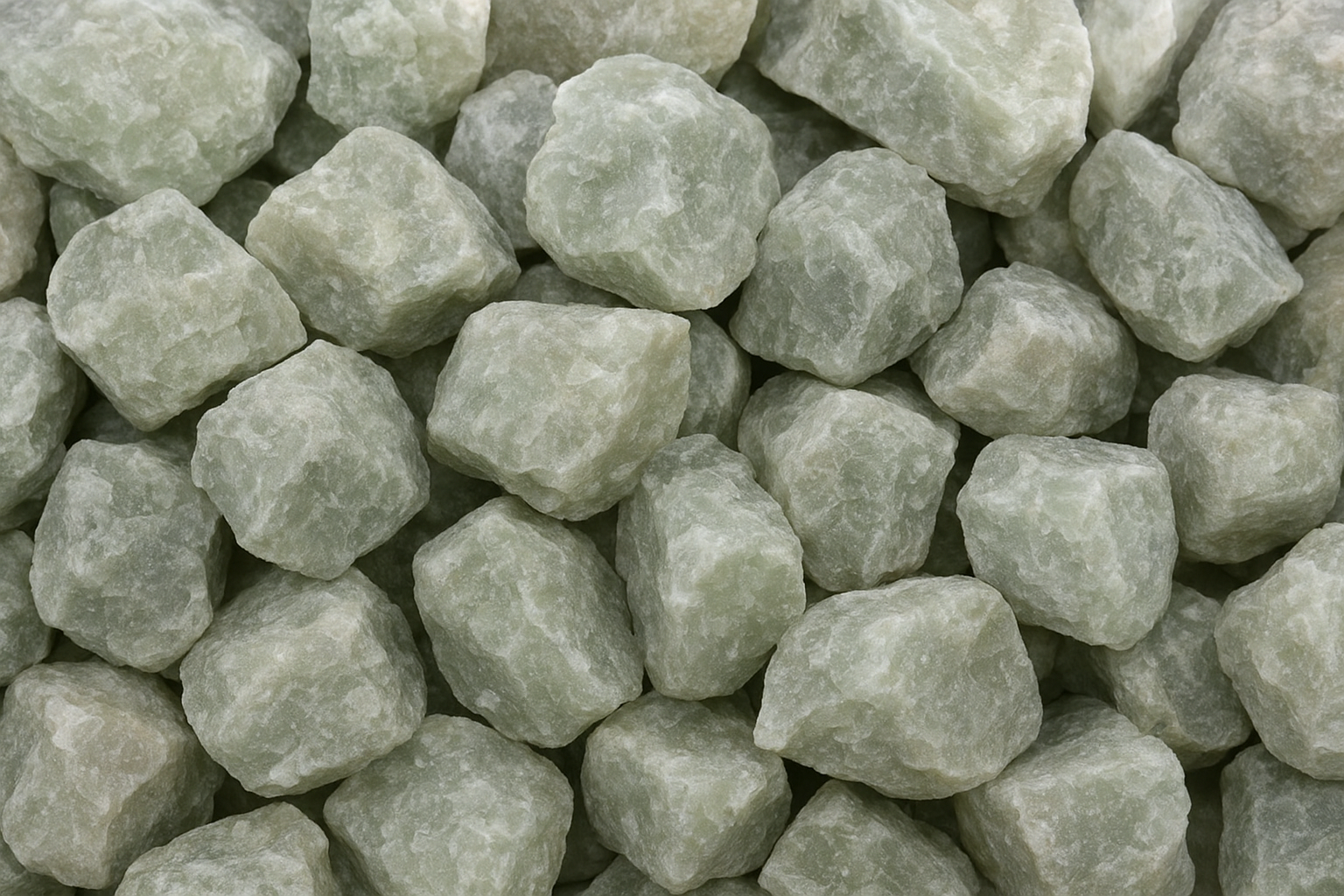
Phosphate Rock
Why is Phosphorus Powder Valuable?
Generally, the phosphorus powder for briquetting is powder collected from crushed phosphate ore, high-grade phosphate concentrate (P₂O₅ > 25%), or sintered return material and dust (these two are often mixed with other materials and not processed separately). Depending on the phosphorus content, the utilization pathway varies:
P₂O₅ > 25%: Briquettes can be directly fed into electric furnaces for yellow phosphorus production. In this case, the binder must not dilute the phosphorus content and the briquettes must have sufficient dry and thermal strength.
P₂O₅ < 20%: These need further calcination (typically 1000°C for 35 minutes) via a chain grate or rotary kiln to meet furnace-grade requirements before usage.
Challenges in Handling Phosphorus Powder
Phosphorus powder, when left in its loose state, presents several serious logistical and environmental issues across the production and supply chain.
a. Difficult Handling and Transport Losses
Due to its fine and flowable nature, phosphorus powder easily leaks during packaging and transit. Losses through container gaps and transfer points increase operational costs and require stricter transport protocols.
b. Severe Dust Pollution
Airborne dust from phosphorus powder creates significant health hazards for workers and contributes to environmental degradation. Facilities must often install expensive dust control systems to meet regulatory standards.
c. High Material Waste Rates
Loose powder is especially susceptible to spillage, especially in humid or windy environments. This not only reduces usable yield but also results in costly waste disposal and environmental penalties.
What is Cold Briquetting Technology?
Cold briquetting is a high-efficiency process that compresses dry powders like phosphorus ore into dense, stable briquettes at room temperature—without the need for added heat. This method is especially suitable for handling fine phosphorus-rich materials, including raw powder and low-grade residues.
For a deep dive into how cold briquetting works, read our full article on Cold Briquetting Technology.
Typical Process of Briquetting Phosphorus:
Prepare: Phosphorus Powder → Add Binder + Water → Mixing → Briquetting: Roller Press Forming → Drying or Air-Curing → Finished Briquettes

Technical Advantages of Briquetting Phosphorus Powder
a. Reduce Dust
Cold briquetting compresses loose particles, significantly reducing dust during handling, transport, and furnace charging.
b. Improve Handling and Storage
Briquettes are easier to stack, load, and track compared to loose powder. Standard handling equipment can be used to reduce labor and improve logistics efficiency.
c. Environmental Compliance
Briquetting reduces particulate emissions, helping manufacturers meet increasingly strict environmental regulations in regions like China and the EU.
d. Economic Optimization
By minimizing powder loss and simplifying packaging and logistics, briquetting cuts operational costs and increases profit margins.
Applications of Phosphorus Briquettes
a. Feedstock for White Phosphorus Production
In electric or submerged-arc furnaces, cold briquetted phosphorus powder serves as a substitute for lump phosphate ore.
Producing white phosphorus using electric furnace (Thermal Production of Phosphoric Acid) is a approach widely used in the world.
Advantages of the Thermal Production of Phosphoric Acid:
- High Product Purity: Suitable for high-end applications.
- Low Impurities: Low impurities in the produced product that can help improve downstream product consistency.
- Flexible Scale: Adjustable process parameter and process scale. Adaptable to various production capacities.
Limitations:
- High Dependence on the Raw Material: Relies heavily on yellow phosphorus availability.
- High Cost: Significant energy input in phosphorus production. Plus, the price of white phosphorus is high.
- Environmental Pressure: Gas emissions and solid waste during production must be carefully managed.
b. Other Applications
Briquetted powder can also be converted into phosphoric acid using the wet-process (via sulfuric acid decomposition), then applied to many industries and fields such as agriculture, food, industry, and more – boosting resource efficiency and reducing reliance on high-grade ore.
Key Technical Considerations in Phosphorus Briquetting
To qualify for electric furnace feeding, phosphorus briquettes must maintain strong drop resistance, compression strength, and thermal durability—ensuring a low breakage rate during handling and a stable smelting process. Below are the factors you need to pay attention to while producing phosphorus briquettes:
a. Binder Selection
The binder is crucial for briquette strength and chemical stability. It must not interfere with downstream processes. A high-performance binder is essential for strength without diluting phosphorus content. Jianjie customizes binder formulations based on raw material composition and end-use requirements.
b. Particle Size Optimization
Finer particles compact better, but excessive size variability can weaken briquettes. Therefore, effective briquetting requires a balance between coarse particles (which provide skeletal structure) and fine particles (which aid densification and strength). Pretreatments like sieving or grinding help ensure uniformity.
c. Mechanical Strength
Briquettes must resist compression, impact, and abrasion during transport and furnace loading. Jianjie’s binders help achieve superior strength and durability.
Drop Strength: Survive two times 1.5-meter drop tests without breakage and cracks.
Dry Strength: Survive the compression strength ≥ 100–120 kg.
Thermal Strength: ≥ 100 kg at 500°C; or ≥ 80 kg at 800°C after 1-hour roasting.

Testing Strength of Phosphorus Briquettes
d. Process Parameters
Pressure, moisture, and temperature must be carefully balanced. Studies show that a 3% deviation in moisture content can reduce briquetting efficiency by up to 40%.

A Well-Made Phosphorus Briquettes
Why Choose Jianjie for Phosphorus Briquetting Solutions

Jinajie Phosphorus Binder
Tailored Binder Formulations: Jianjie phosphorus binders are customized to your raw material composition, processing goals, and final application needs.
Complete Technical Support: From lab-scale testing to full-scale production, Jianjie offers end-to-end assistance and optimization services.
Proven Expertise: Our phosphorus briquettes can replace over 80% of natural phosphate ore in smelting processes, with binder addition as low as 3–4% and a forming rate of 98%, depending on the real production scenario.
Summary
Cold briquetting offers a practical, sustainable, and cost-efficient solution to the many challenges of phosphorus powder handling and utilization. By transforming fine, unstable powder into high-strength briquettes, manufacturers can reduce dust, improve furnace stability, and unlock new applications in white phosphorus production and fertilizer manufacturing.
With our custom binders, technical expertise, and end-to-end support, Jianjie is your ideal partner in phosphorus powder briquetting.
Frequently Asked Questions (FAQs)
Yes. Briquettes made using suitable binders and cold briquetting techniques can serve as effective partial substitutes in electric furnace production of white phosphorus.
Absolutely. It reduces dust pollution, improves resource utilization, and helps meet environmental compliance standards.
Jianjie offers lab testing, sample briquetting, and pilot production support to help you evaluate the best binder and process parameters for your phosphorus powder.
Would you like to start the test now? Contact us for sample!

 English
  Arabic
  Chinese
  Russian
  Indonesian