In briquetting processes, the structure and type of briquetting machine significantly influence the forming effect and subsequent sintering quality of the briquettes. Different press structures have distinct advantages and limitations regarding pressure distribution, forming uniformity, and capacity.
To guide optimal selection, this article compares the differences,and application cases for the three main briquetting machines (roller press, hydraulic press, and vacuum extruder). It concludes by detailing how full technical services ensure the best equipment match for your specific material needs.
3 Briquetting Machine Types Introduction
What is Hydraulic Press?
Hydraulic press machine forms briquettes by applying high and controllable pressure generated from a hydraulic system.
Structural Characteristics
The machine delivers stable, adjustable pressure and allows pressure retention during forming, which helps compact fine or difficult-to-form materials.
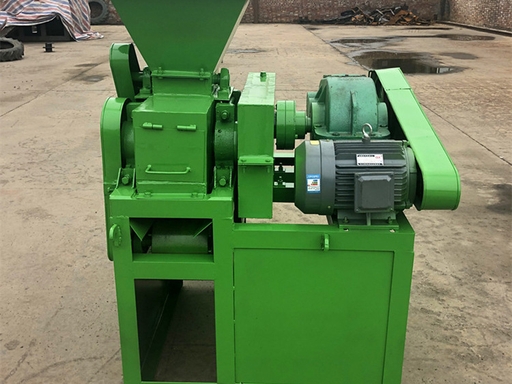
Hydraulic Press
What is Roller Press?
Roller press forms briquettes by continuously compressing materials between two counter-rotating rollers.
Structural Characteristics
The rollers generate instant high pressure through mechanical transmission. This structure supports continuous, high-volume production but offers limited dwell time during forming.
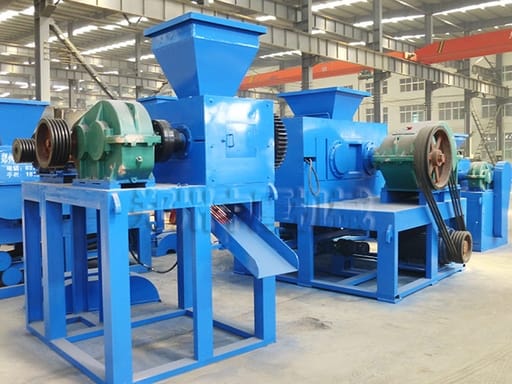
Roller Press
What Is Vacuum Extruder?
Vacuum extruder forms briquettes or blocks by removing internal air from the material and then forcing it through an extrusion channel.
Structural Characteristics
Vacuum chamber reduces air content and improves compactness, while the extrusion system provides stable, uniform forming pressure.
This results in dense, consistent briquettes but requires higher investment and more complex operation.
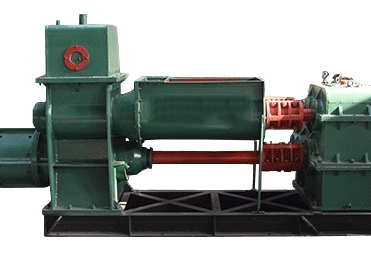
Vacuum Extruder
Influence of Briquetting Machine Structure and Process Control on Briquette Formation
Regardless of the briquetting press used, the briquette forming effect and production stability are usually closely related to the following structural and process parameters. Reasonable equipment design and precise process control can improve the forming quality under different material conditions.
| Core Factor | Key Technical Point | Influence on Briquette Formation |
| Roller Shell Material | Wear-resistant steel such as 65Mn | A durable roller shell supports stable machine operation and helps maintain consistent forming performance. |
| Briquette Pocket Design | Oval or flat-oval cavity structure | The pocket design affects briquette shape and density. Proper geometry promotes even compaction during forming. |
| Forming Pressure and Pressure Holding | Pressure control and dwell time | Appropriate pressure and dwell time improve briquette density and structural stability, especially for materials that are harder to compact. |
Jianjie Full Technical Service: Ensuring Reliable Briquetting Machine Selection
In real briquetting process, selecting the suitable machine involves more than understanding material plasticity alone. Trial data, briquette density targets, binder behavior, production mode, and the interaction between moisture and pressure all influence the final briquette press decision.
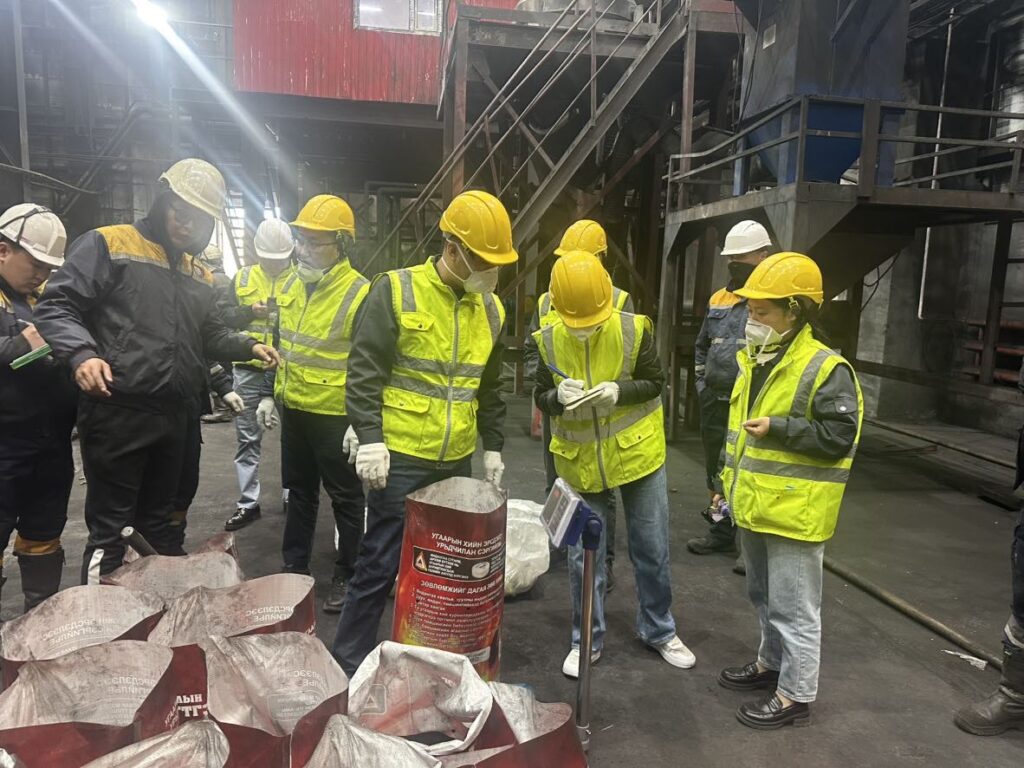
Jianjie provides focused technical services specifically designed to support accurate briquetting machine selection. Our support includes:
Our services include:
1.Evaluation of Raw Material Characteristics and Forming Suitability
By assessing compaction behavior, particle structure, flowability, optimal moisture content, and the required pressure range, we determine whether the material is better suited for hydraulic forming or roller forming.
These results provide the foundational parameters for briquette press selection.
2. Forming Process and Equipment Matching
Based on trial data, we define the appropriate forming pressure range, mold structure, and forming method, and then recommend the suitable type of equipment to ensure alignment between material characteristics and equipment capability.
3. Analysis of Briquettes Production Mode and Binder System
We evaluate the briquettes production rhythm, whether continuous high throughput or small-batch precision forming, along with binder distribution, viscosity, curing behavior, and mixing uniformity to determine the briquetting machine that best fits actual production needs.
4. On-Site Verification and briquetting Process Optimization
During installation and trial operation, we verify pressure parameters, monitor density stability and forming performance, and conduct on-site adjustments to optimize the briquetting process and ensure the briquettes meet the required quality standards.

Jianjie customized briquetting binder
Jianjie delivers not only customized briquetting binder but a full-system solution from raw material test→ briquetting process guidance→briquetting machine advice → production line implementation. Jianjie engineering team helps you make professional and reliable decisions for any specific material or briquettes forming challenge.
Case Study: Indian Client Coke Fines Cold Briquetting
Material Challenge:
Coke fines from a steel plant are very fine, hard, and exhibit extremely low plasticity. The final briquettes must reach high density and strength to perform well in blast furnaces or sintering operations.
Cold Briquetting Trial Findings:
Compared with the briquettes produced by the High-Pressure Roller Press, those formed with the Hydraulic Press are better suited for the client’s downstream furnace application in density uniformity and structural stability.
This case illustrates that equipment selection is closely linked to material properties and affects downstream usage. For low-plasticity coke fines, the forming characteristics achieved by the Hydraulic Press align better with the client’s operational needs.
Do you face similar material challenges or have questions about selecting the ideal briquetting press for your specific raw materials?
Contact us! Our engineering team specializes in translating complex material properties into reliable, customized briquette press solutions, ensuring your briquetting success.
Conclusion
By understanding various dimensions mentioned above, plants can have a clear understanding whether a Hydraulic Press, Roller Press or a vacuum extruder is the better choice. Accurate briquetting machine selection improves briquetting success, lowers production costs, and increases metal recovery efficiency.
Cold briquetting is a system process, and materials respond very differently, so decisions must rely on engineering parameters and trial data.
For specific materials or briquetting applications, jianjie engineering team can povide laboratory testing and a customized briquette press selection support。
FAQS about Choosing Suitable Briquetting Machine
Q: How should I evaluate whether my raw material is suitable for these briquettes press?
A: Raw materials show different behaviors under pressure, so the evaluation should focus on how easily the material can be compacted. Factors such as particle size, flowability, internal structure, and plasticity all influence the briquettes formation.
By assessing these characteristics and understanding how the material behaves under different pressure conditions, you can determine which forming method aligns better with your briquetting requirements.
Q: Does briquette density affect the choice of briquetting machine?
A: Yes. If your briquettes need high density, strong structural stability, or uniform shaping, equipment with stable and controllable pressure is recommended.
Q: Can Jianjie help evaluate which briquetting machine I should choose?
A: Yes. Jianjie provides full technical services including raw material compaction testing, forming analysis, equipment matching, binder system evaluation, and on-site verification.
This ensures the selected briquetting machine aligns with the actual production needs and your specific material characteristics.