The Hidden Cost of Using the Wrong Binder
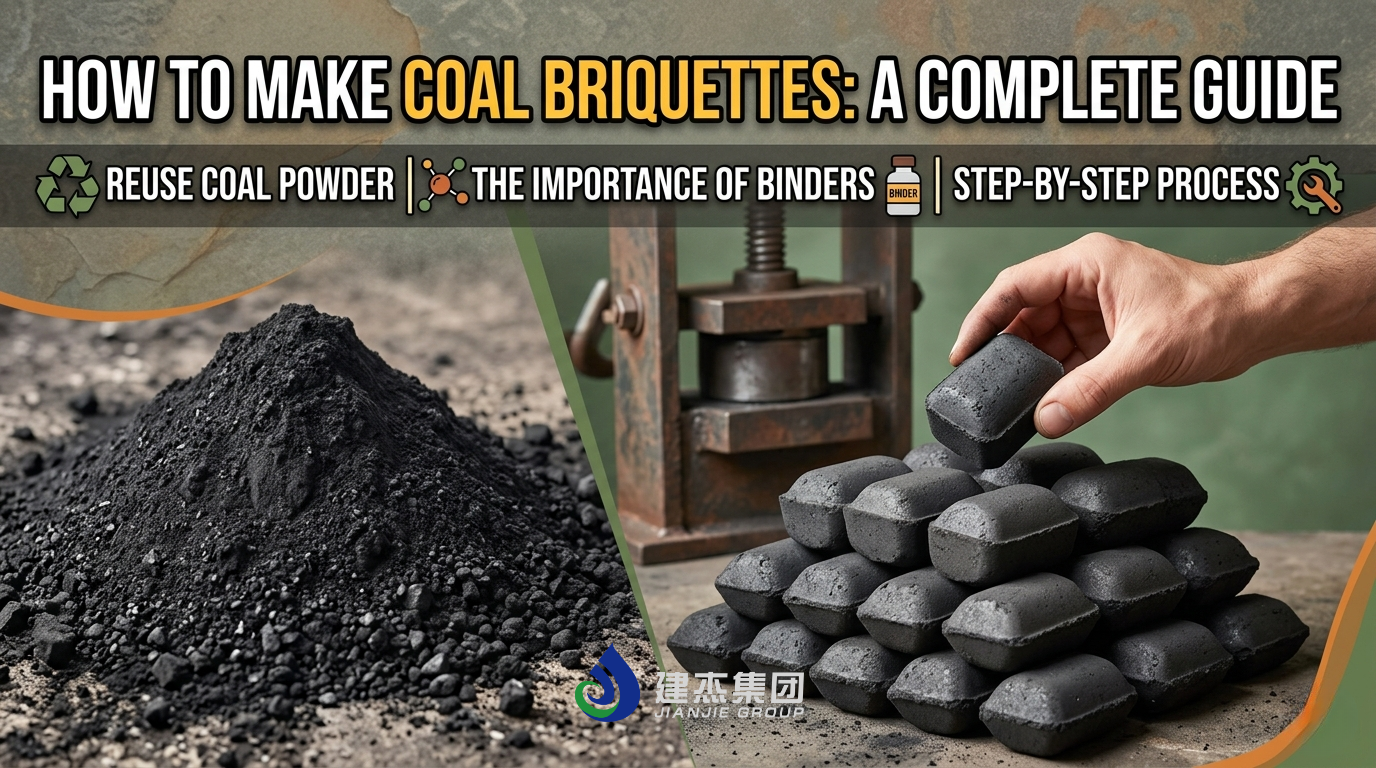
The process of making coal briquettes from coal powder or coal fines offers a practical solution for energy reuse, waste reduction, and cost-saving in industrial operations. However, many manufacturers encounter significant issues when their briquettes crack, crumble, or fail to burn efficiently—all due to one key oversight: using an unsuitable binder.
Choosing the right binder for coal briquettes is not a one-size-fits-all decision. An unmatching binder can result in various problems such as poor briquette strength, low thermal value, excessive smoke, or production inefficiencies.
Whether working with coal fines or producing charcoal briquettes, selecting the appropriate binder is essential to ensuring high-quality output and economic feasibility. In this article, we’ll explore the role of binders in coal briquetting, evaluate common binder types, and explain why Jianjie’s binder stands out as a superior solution for coal briquette production.
The Role of Binders in Coal Briquettes
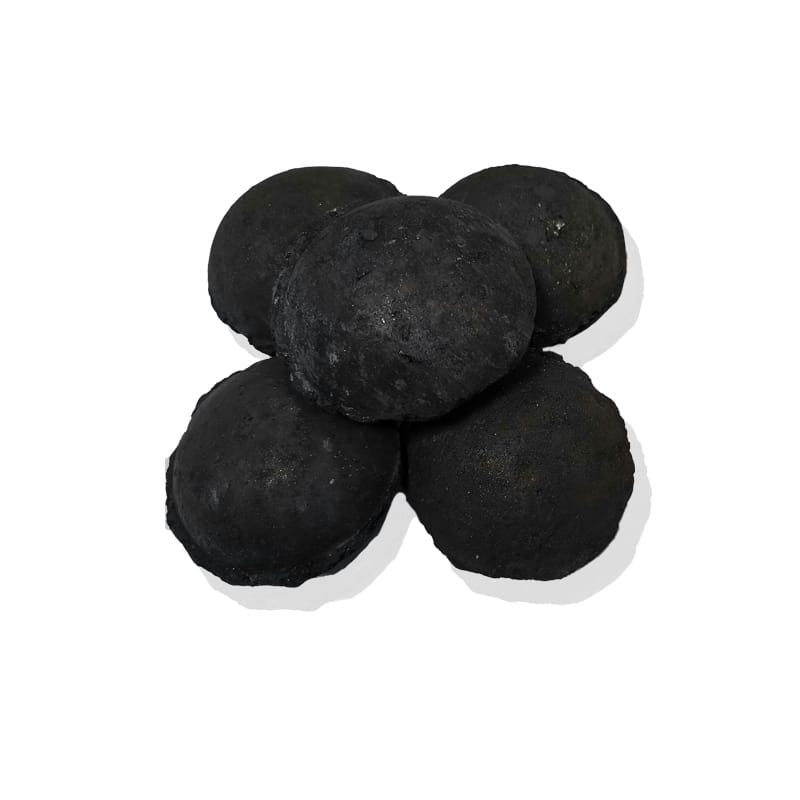
Coal briquettes in good forming rate
A binder is the glue that holds coal particles together during the briquetting process. When coal powder or fines are pressed into briquettes, the binder helps enhance the product’s durability, moisture resistance, storage stability, and combustion performance. Without an effective binder, the briquettes may break during transport, absorb moisture during storage, or burn unevenly during use.
Binders used for coal briquettes generally fall into two categories:
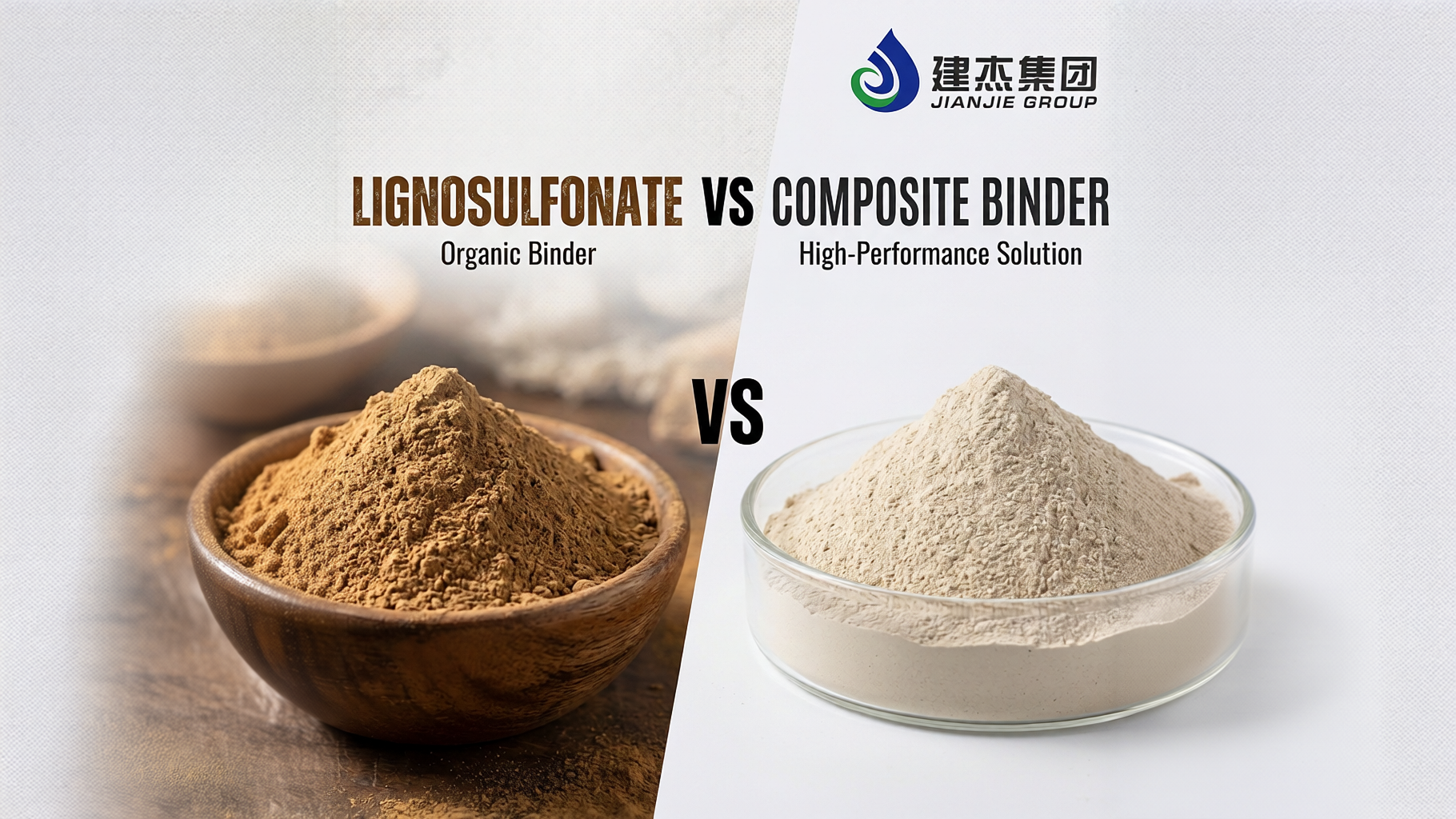
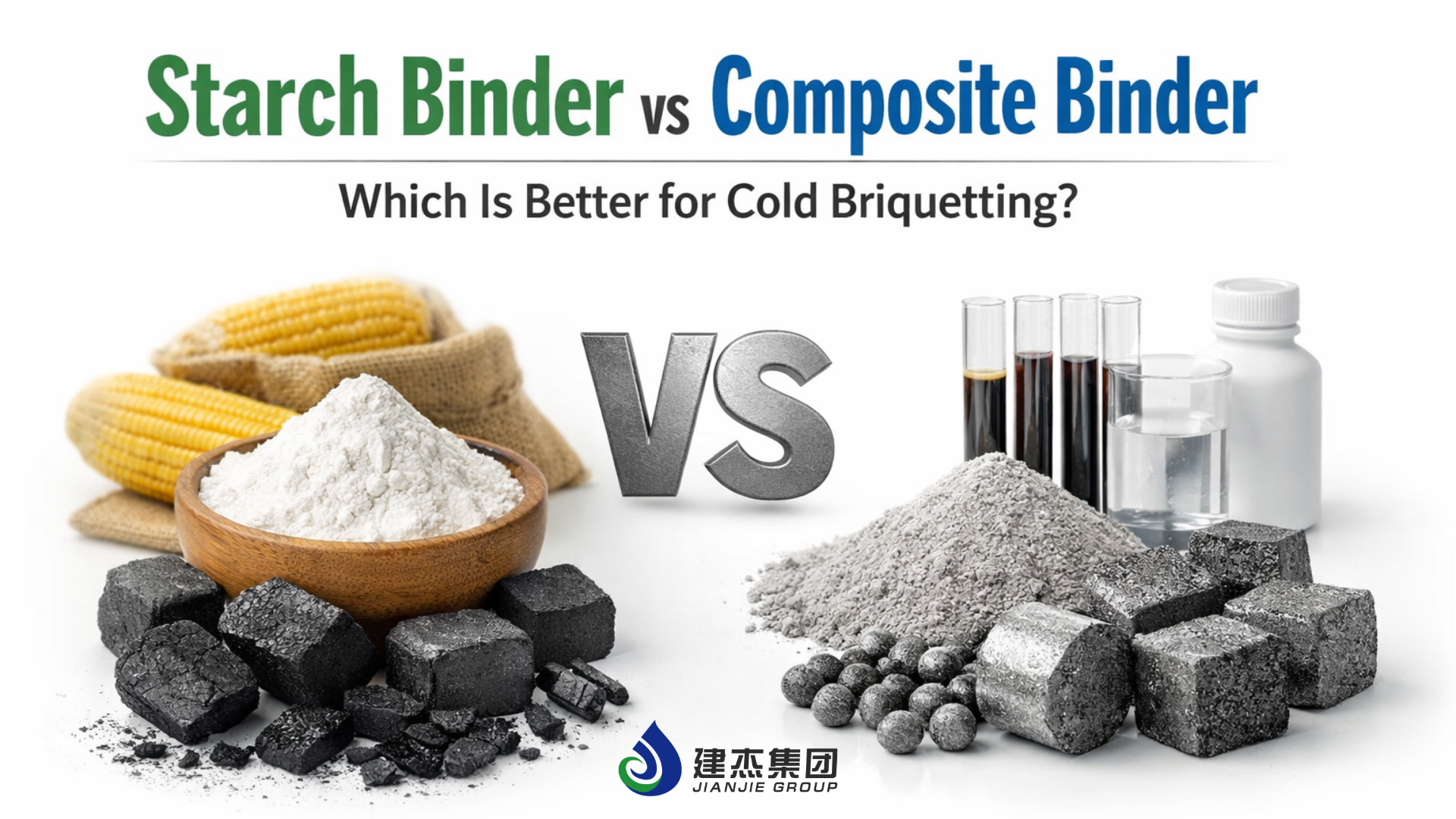
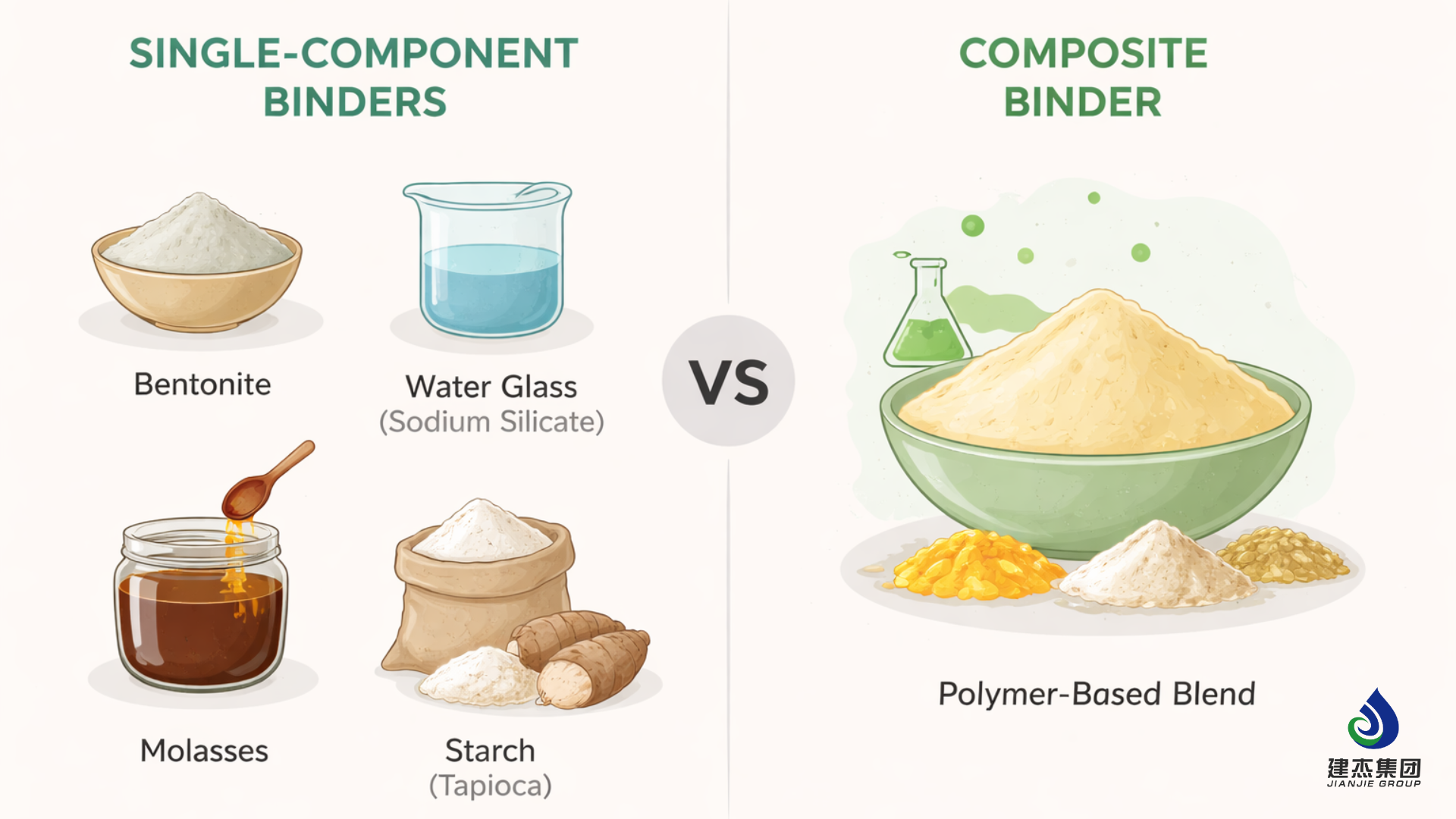
Organic binders: Molasses, starch, lignosulfonates, pitch, or tar
Inorganic binders: Clay, cement, lime, or bentonite
Composite binders: A blend of organic and inorganic binder to achieve a balanced performance
Each type comes with trade-offs in terms of binding strength, environmental impact, cost, and how it influences the combustion characteristics of the briquettes. You can also get further info in our article: binder in cold briquetting.
What Should We Consider When Choosing a Binder for Coal Briquettes?
To make high-performance coal briquettes, choosing the right binder requires careful evaluation of several factors:
→Binding Strength
Can the binder help form strong and durable briquettes that withstand transportation and storage?
→Combustion Compatibility
Does the binder support clean burning without adding unwanted ash or toxic fumes?
→Moisture Resistance
Can the briquettes resist breaking down when exposed to moisture or humidity?
→Production Efficiency
Does the binder reduce curing time or improve briquetting speed?
→Environmental and Regulatory Compliance
Is the binder safe, non-toxic, and compliant with environmental standards?
→Cost and Availability
Is the binder cost-effective and easily available in the supply chain?
Choosing the wrong binder may result in low production yield, excessive fines return, and even safety hazards during storage or combustion.
What Makes a Good Binder for Coal Briquettes?
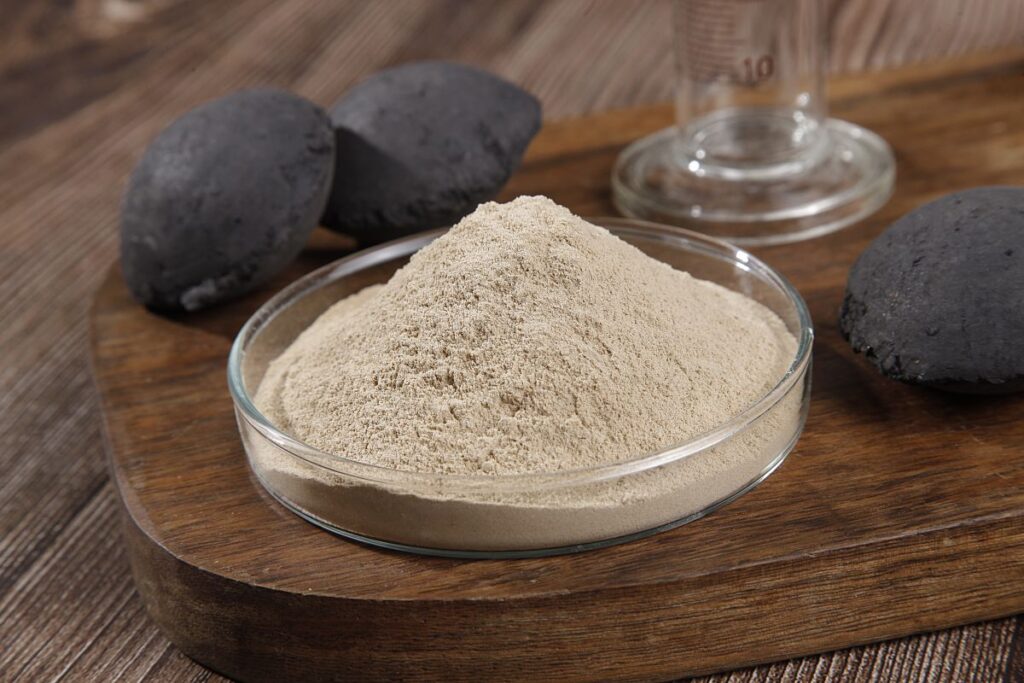
Jianjie binder for coal briquettes
A good binder should meet the following criteria:
→Strong adhesive properties to hold coal fines firmly
→Neutral to low ash content, so it doesn’t dilute calorific value
→Good plasticity for molding during briquette pressing
→High thermal stability, maintaining briquette integrity under heat
→Low environmental footprint, especially for industries with strict emissions requirements
Organic binders often produce better combustion performance, while inorganic binders offer higher mechanical strength. The optimal choice balances these traits based on the end-use application.
Jianjie Binder for Coal Briquettes: A Proven Solution
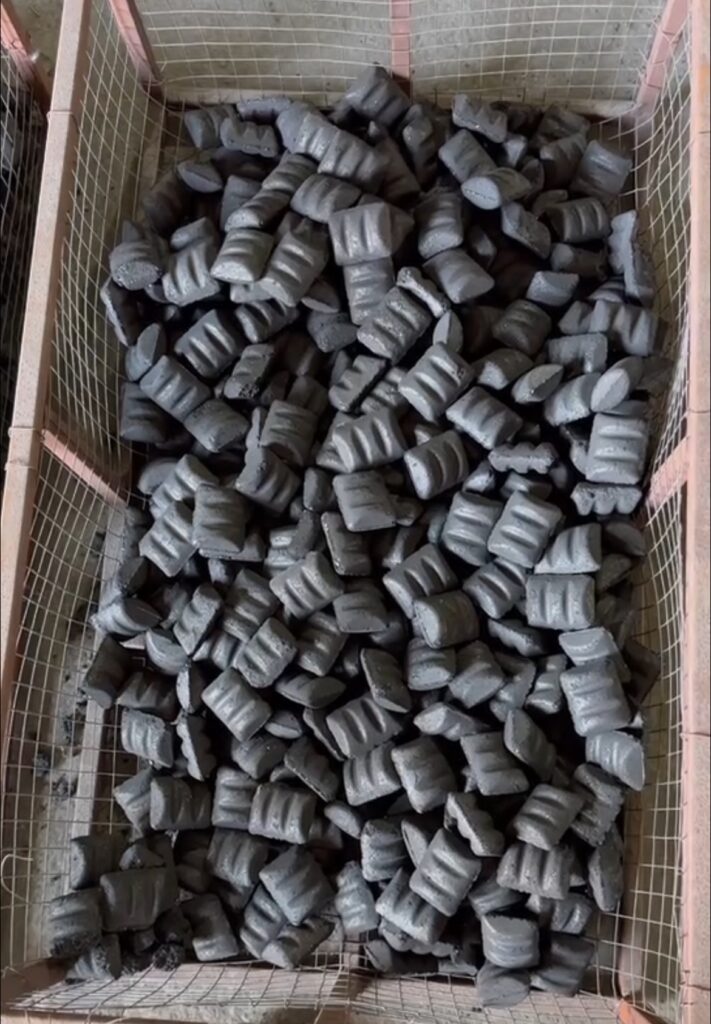
Real Shot: Coal Briquettes Using Jianjie Binder
Jianjie Group offers a specialized binder for coal briquettes, designed to overcome the common issues associated with traditional binders (such as molasses and lime). Our binder combines tailored performance with eco-friendly ingredients, ideal for industries working with coal powder, coal fines, or charcoal briquettes.
Key Advantages of Jianjie Binder:
✅ High forming rate – Minimizes fines return and waste
✅ Combustion-friendly – Low ash content, enhances calorific value
✅ Easy to mix and apply – Improves briquetting efficiency and speed
✅ Customizable formulations – For different coal or charcoal applications
Whether you are producing coal briquettes for heating, metallurgy, or fuel applications, Jianjie’s binder solution improves both product quality and production efficiency – transforming coal fines into high-value fuel briquettes with consistent results.
Conclusion: Turn Coal Waste into Value with the Right Binder
Choosing the right binder for coal briquettes is more than a technical decision—it’s the key to reducing material loss, improving product quality, and maximizing return on investment. From mechanical strength to combustion performance, every aspect of the briquette is influenced by the binder you choose.
Jianjie Group’s binder for coal briquettes provides a reliable, tested, and customizable solution to help industries turn coal powder and fines into strong, efficient, and clean-burning fuel. Contact us today to explore how our binder products can optimize your briquette production and turn waste into value.