
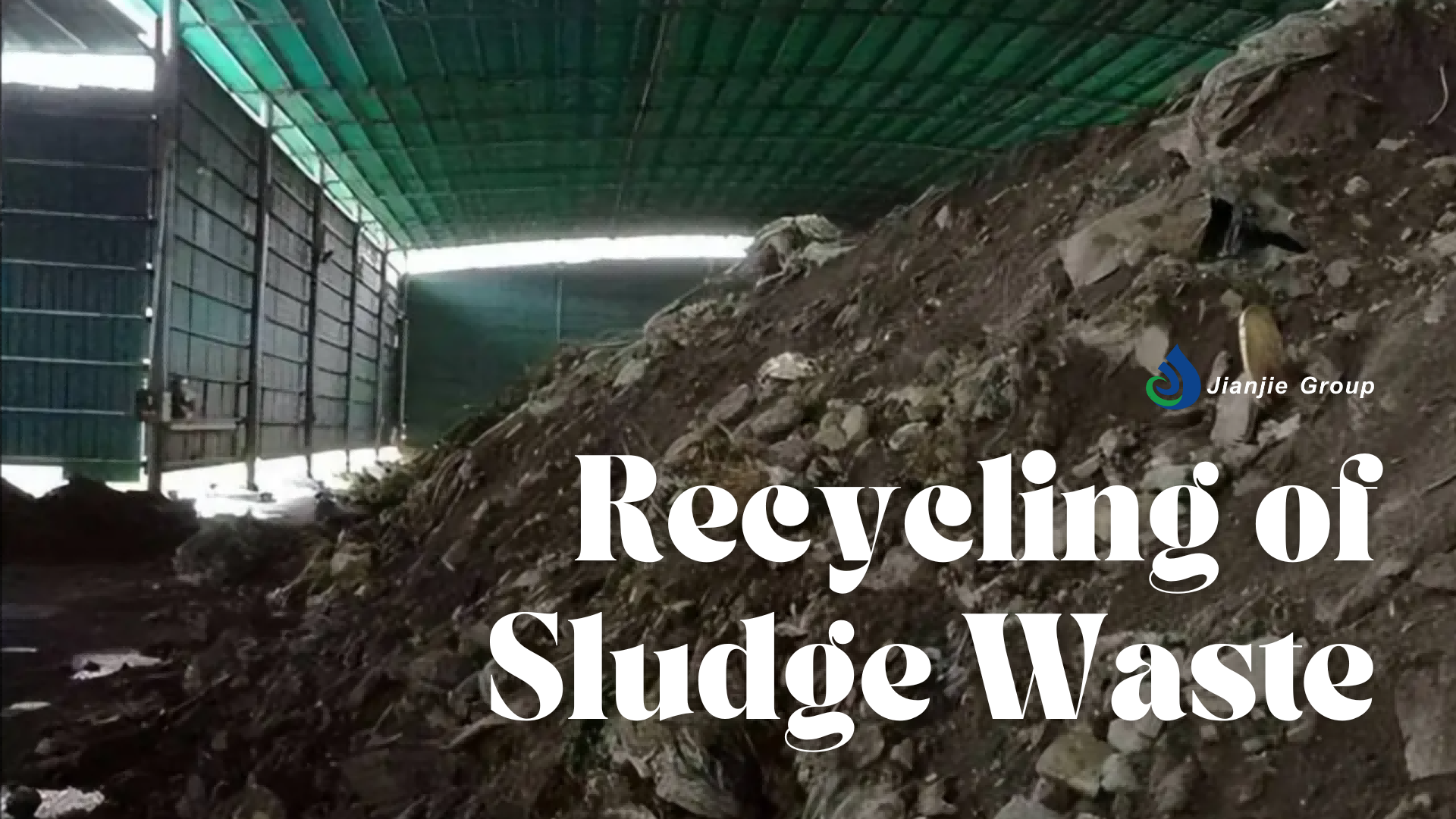
Steel production is one of the largest contributors to global industrial waste, and steel sludge is one of its most underutilized byproducts. Generated in large quantities from processes like electric arc furnace (EAF) and Basic Oxygen Furnace (BOF), steel sludge poses environmental and operational challenges due to its moisture content, oil residue, and fine particle size. However, with proper treatment and innovation, this waste can be transformed into a valuable resource. Among the most effective methods?
Cold Briquetting is a great approach.
This article explores how briquetting turns steel sludge from a disposal problem into a profitable recycling solution—helping steelmakers cut waste, recover iron, and contribute to a more circular economy.
What is Steel Sludge and Why Is It Challenging?

Steel sludge refers to a slurry-like waste produced during various stages of steelmaking. In steelmaking, sludge typically refers to the steel dust or fine particles that are captured and transported via wet dust/gas cleaning systems, such as scrubbers or wet electrostatic precipitators. Here’s a breakdown to clarify:
| Term | Description |
| Steel Dust | Fine particulate matter generated during steel production, often collected by dry methods like bag filters or dry ESPs. |
| Sludge | A mixture of fine steel fines+ water, collected using wet methods such as scrubbers. It usually settles out as a semi-solid or slurry. |
Steel sludge often contains iron, zinc, and other oxides, and is a common byproduct in Basic Oxygen Furnace (BOF), Electric Arc Furnace (EAF), and rolling mill processes.
Components in Steel Sludge:
- Iron (often 40–60% iron content)
- Lime, alumina, and carbon
- Oil and grease from rolling lubricants
- Moisture levels that can exceed 30–40%
This composition makes steel sludge both rich in metallic value and difficult to reuse directly. The high oil and moisture content cause handling issues, while the fine granularity makes it unsuitable for direct input into high-temperature furnaces. Without treatment, most sludge ends up in landfills—creating environmental concerns such as heavy metal leaching and significant waste disposal costs.
What Are Sludge Briquettes?
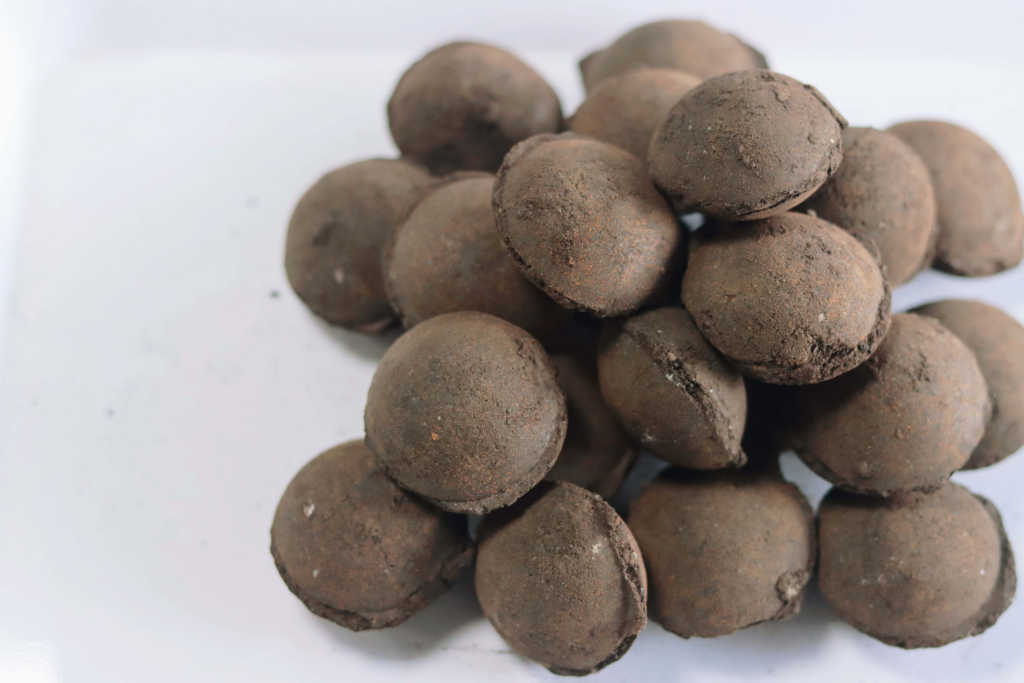
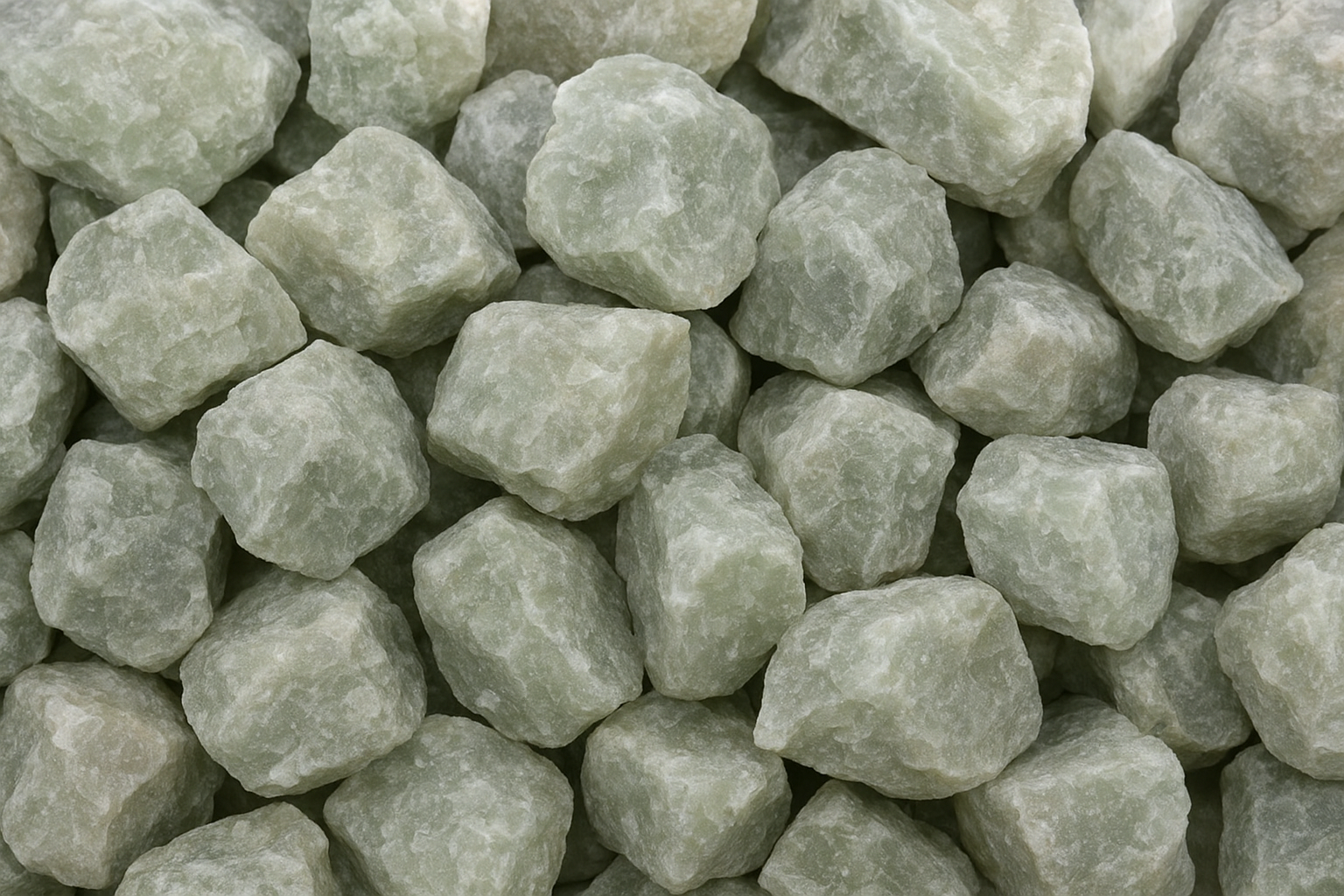
Sludge briquettes are dense, compacted blocks made from dewatered steel sludge and binders. Usually, plants will combine sludge with two to three plant waste (mill scale, iron-bearing dust, steel slag) to make briquettes. These briquettes are engineered to meet physical strength requirements, allowing the recycled sludge to be reused in sintering plants, blast furnaces, converter furnace, or electric arc furnaces (EAFs).
Industrial Applications of Sludge Briquettes
Briquettes made with sludge can be reintroduced into steel and iron making processes, including:
1. As a Substitute for Fluxing Medium in Converter Furnaces (Basic Oxygen Furnaces)
Briquettes made with sludge can be charged into the converter to absorb excess heat, replacing scrap or ore.
2. As a Substitute for Iron Scrap in Electric Arc Furnaces (EAFs)
Carefully pretreated Iron-rich sludge briquettes can partially replace iron scrap, reducing raw material costs while maintaining metallurgical performance.
3. As a Substitute for Iron Ore in Blast Furnaces/RHF
In rotary kilns, shaft furnaces, or rotary hearth furnaces, sludge briquettes can replace sintered ore to produce sponge iron (DRI).
Extended Read on the use of steel waste briquettes: the type and use of steel waste briquettes
Benefits of Sludge Briquetting
Environmental Wise
- Reduces landfill dependency and leaching risks
- Cuts CO₂ emissions by reducing primary ore demand
- Enhances circularity in steelmaking
Economic Wise
- Recover iron content with minimal loss
- Lower disposal, storage, and transport costs
- Potential carbon credit incentives in regulated markets
Operational Wise
- Uniform, low-dust feedstock for furnaces
- Improved material flow in sintering or blast operations
- Stable metallurgical performance
Binders for Sludge Briquettes
The binder is the most critical component in sludge briquetting. Unlike dry materials such as mill scale or steel dust, steel sludge poses unique challenges due to its high moisture, fine particles, and often oil or grease content. A well-chosen binder not only improves the briquette’s mechanical strength but also ensures environmental compliance and furnace compatibility.
What Does a Binder Do?
- Promotes particle adhesion under pressure
- Improves cold compressive strength for handling and transport
- Stabilizes briquettes during thermal exposure in furnaces
- Controls porosity and combustion properties
| Binder Type | Pros | Cons |
| Inorganic (e.g., lime, cement, bentonite) | High strength, readily available | Increases ash content, may lower metallurgical value |
| Organic (e.g., starch, molasses, lignin) | Low ash, biodegradable | Poor water and oil tolerance, weak at high temp |
| Composite | Balanced performance: strength, moisture/oil resistance, low ash | May be higher cost per ton |
When moisture exceeds 13%, the sludge becomes too wet and sticky to mix properly with most industrial binders. In such cases, briquettes are prone to crumbling or deforming, and binder efficiency is drastically reduced.
Proper treatments include:
- Mechanical dewatering: using filter presses, centrifuges, or vacuum systems to reduce free water
- Thermal drying: particularly for oily sludge or fine particles
- Air drying or solar drying (for low-throughput or pilot-scale projects)
Key Considerations for Starting a Sludge Briquetting Program
Sludge Analysis
It’s important to perform a comprehensive analysis of your steel sludge before you start to utilize.
Factors inlcude moisture, oil, iron content, particle size, presence of heavy metals or zinc. This data informs whether your sludge is suitable for briquetting, what pre-treatment is needed, and which binder technology is appropriate.
Binder Testing
Choosing the right binder is critical for briquette strength, furnace compatibility, and cost-effectiveness. Binder type, dosage, cost per ton, environmental impact are things we need to consider. Therefore, pilot testing is recommended before full-scale deployment. Jianjie offers binder samples for testing under controlled conditions.
Equipment: Furnace Compatibility and Application Planning
Define how and where the sludge briquettes will be reused. For example, reusing sludge briquettes in blast furnace requires strong, low ash briquettes with high Fe grade. In sinter plant, needs on sludge briquettes are more flexible but we must control zinc and moisture in them.
Regulatory Compliance: Ensure Briquettes are Approved For Reuse
It’s important to consider the local compliance when recycling sludge as briquettes. For example, the local environmental laws (especially for reuse in furnaces), the air pollution standards (heavy metals, VOCs, etc.), and waste classification (some sludge is considered hazardous). Jianjie can help you on that to meet the environmental requirements.
Jianjie Binder: Engineered for Steel Sludge Briquetting
At the heart of successful sludge briquetting is a high-performance binder. Jianjie offers a range of customized binder solutions specifically designed for oily, high-moisture steel sludge. These binders:
- Maintain high cold strength
- Perform well in high-temperature conditions
- Minimize ash and volatile content
- Enable low-dosage application for cost control
Summary
Steel sludge doesn’t have to be a waste burden. It can be a strategic resource when transformed into sludge briquettes. Briquetting offers a proven path for turning this industrial byproduct into a valuable input in the steelmaking cycle.
With the right binder, equipment, and strategy, sludge briquetting reduces environmental impact, cuts costs, and enhances furnace performance. As steelmakers face growing pressure to decarbonize and operate sustainably, this solution is more relevant than ever.


 Indonesian
  English
  Arabic
  Chinese
  Russian