
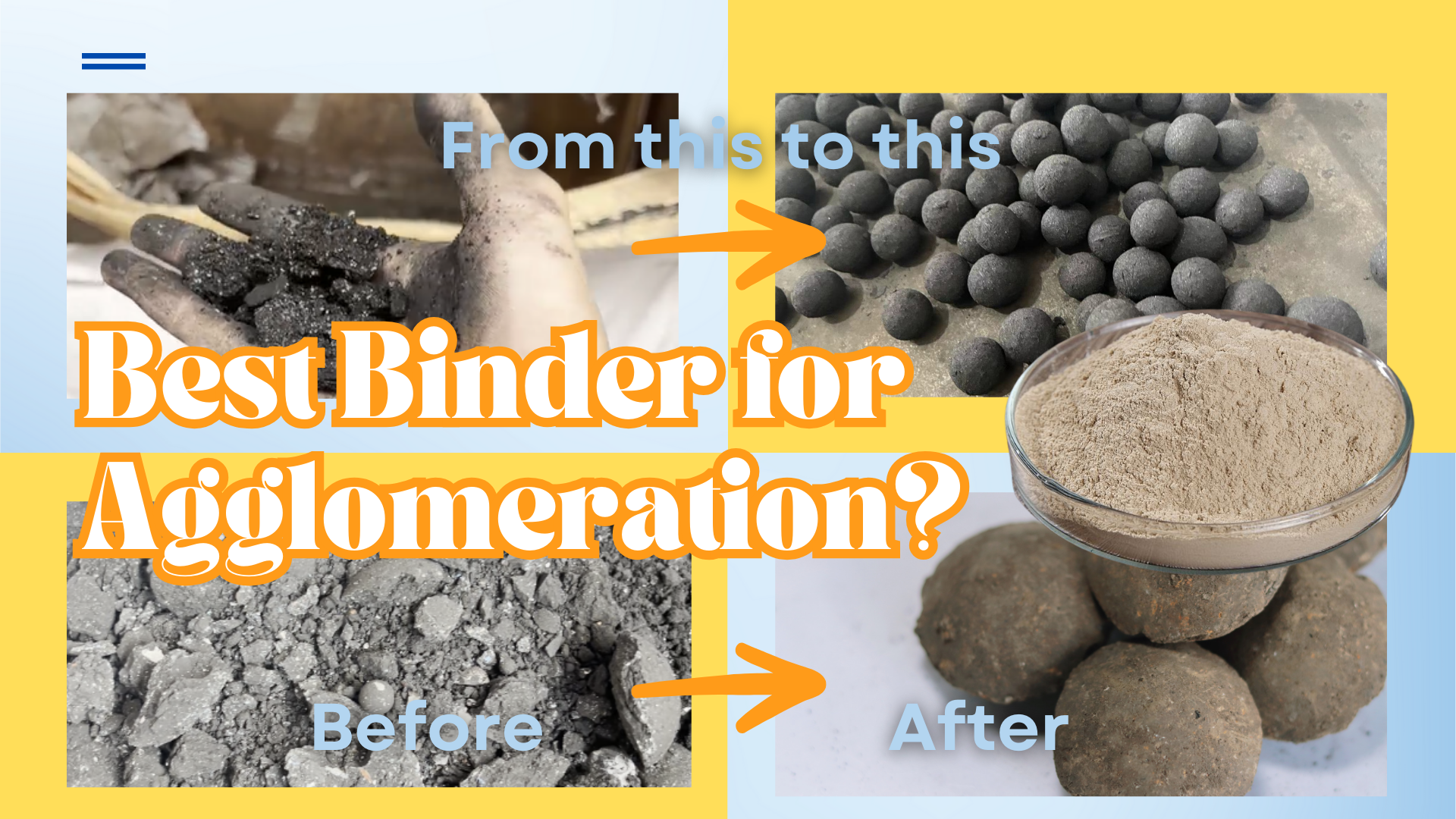
Agglomeration has become one of the most effective methods for turning fine powders, dust, and steel plant solid waste into valuable, reusable products. From coal briquettes to iron ore pellets and steel waste recycling, the process reduces waste, saves costs, and contributes to sustainability. But no matter how advanced a briquette press machine is, one factor influences success: the скоросшиватель.

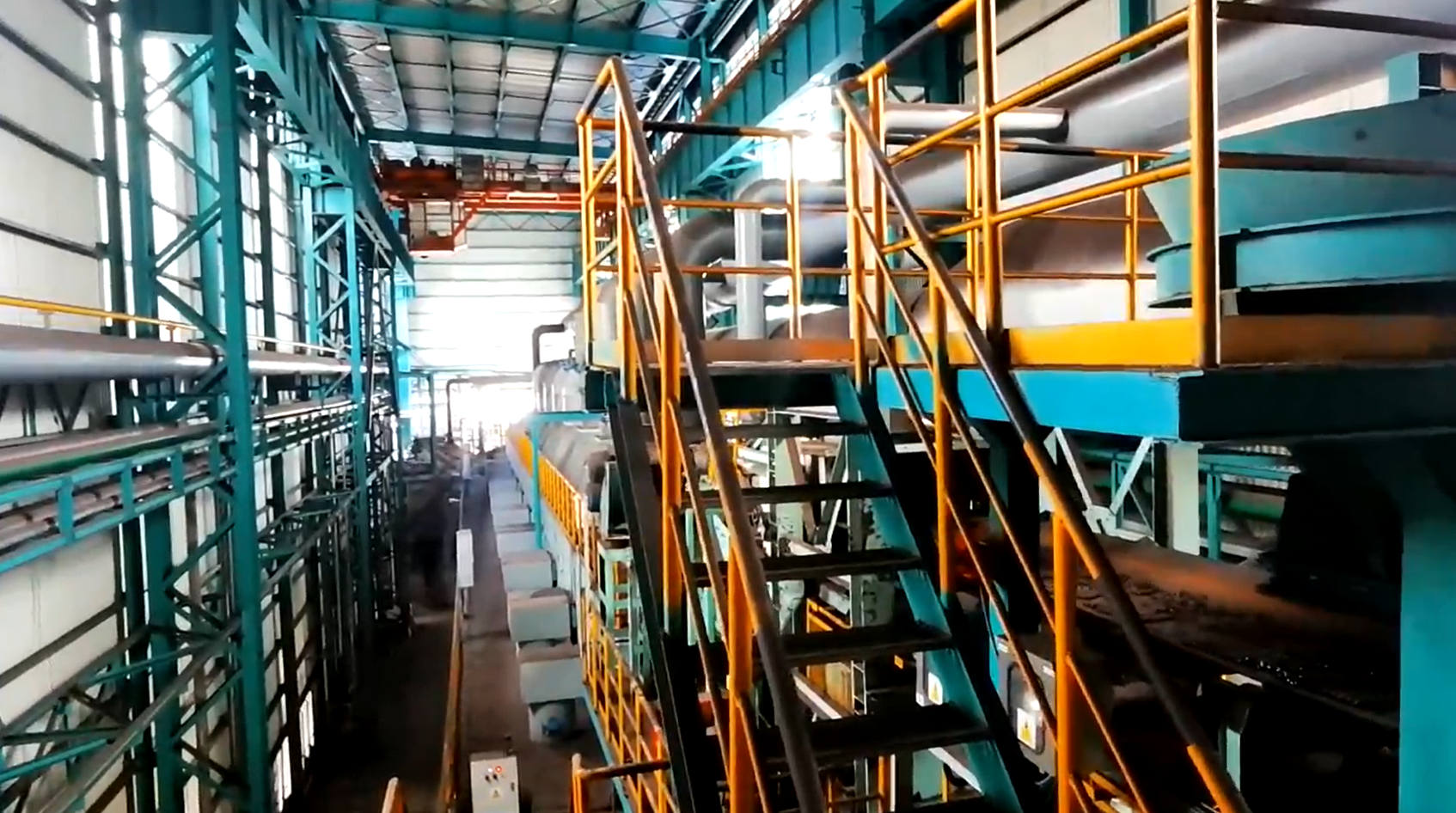
Iron Ore Pellets
A binder is the essential ingredient that transforms loose material into strong, transportable, and high-performance pellets and briquettes. Yet, people often ask: What is the best binder for my application? The answer is not universal. It depends on the raw material, the production process, the cost considerations, and the end-use requirements.
This article explores the role of industrial binders such as briquettes binder and iron ore pellet binder, the binder types commonly used, the key factors in choosing the right one, and why Jianjie’s binder solutions stand out in delivering reliable, tailored results.
The Role of Binders in Agglomeration

Before you head to the binder selection. Let’s understand how a binder can affect your results. Binder for agglomeration is never an one-fits-all product. The binder acts as the glue that holds particles together. Without it, powders often fail to form stable pellets and briquettes, crumble under pressure, or can’t resist high temperature in the furnace. The binder delivers several key benefits:
Forming strength: ensures the pellets and briquettes can be formed effectively and retain its shape throughout the procedures.
Durability in handling: reduces breakage and dust during storage, loading, and transportation.
Thermal stability: keeps briquettes intact when exposed to high temperatures in blast furnaces, rotary kilns, or combustion chambers.
Metallurgical performance: influences reduction behavior, ash content, and overall furnace efficiency.
When the binder is poorly matched, problems quickly emerge: high powdering rates, low forming efficiency, breakage during transport, or inconsistent furnace performance. In short, the binder directly determines whether briquetting brings economic and environmental value or results in wasted effort.
Types of Binders Commonly Used

Inorganic Binders
Examples: cement, lime, sodium silicate (liquid), bentonite clay (usually used in iron ore pelletizing)
Pros: strong bonding, widely available.
Cons: introduce impurities (e.g. SiO2 и Ал2O3), may increase slag volume, and affect metallurgical recovery.
Organic Binders

Molasses
Examples: starch, molasses, lignosulfonates.
Pros: renewable, burn without leaving residues, environmentally friendly.
Cons: often costlier, limited high-temperature strength.
Composite Binders

Jianjie Composite Binder
A combination of organic and inorganic materials.
Pros: balance strength, thermal stability, and cost efficiency; reduce impurities while maintaining high forming rates.
Cons: the price might be higher and needs special customization
Composite binders are increasingly preferred for their adaptability to complex raw materials and diverse briquetting needs.
Key Factors in Choosing the Best Binder (How to Choose the Right Binders?)
Selecting the best binder is not about choosing the cheapest or the most popular. It is about aligning the binder with your raw material, process, and goals.
Understand Your Raw Material
Iron ore fines: require strong cold strength and resistance to high temperatures in blast furnaces.
Steel mill dust and EAF dust: some steel dust contain oxides like zinc and calcium (need to be removed and digest); binders must be chemically compatible to prevent disintegration.
Coal fines: need binders that maintain calorific value, reduce ash content, and ensure smooth combustion in boilers.
Steel slag and phosphate ore: chemically complex materials that benefit from composite binders tailored for stability and bonding.
Define End-Use Requirements
Different clients have different requirements toward their products. Some want the briquettes/pellets to be able to resist high temperature since they put them into furnaces (e.g. blast furnaces), while some need to lower the ash content and introduce no impurities.
- For storage and transport: choose binders that minimize breakage and fines. For example, some customers of Jianjie have high standards on cold strength, since they have the needs to transport their briquettes/pellets.
- For high-temperature operations: prioritize thermal stability.
- For combustion applications: select binders that reduce impurities and maximize energy recovery.
Evaluate Cost-Effectiveness
Binder cost should be calculated not only by price per ton but also by the savings it generates. By using an appropriate binder, plants can achieve:
- Higher forming rates reduce waste.
- Stronger briquettes mean less reprocessing.
- Stable furnace performance lowers energy consumption.
Ensure Environmental Compliance
As industries move toward low-carbon goals, binders must also align with sustainability standards. Low-residue, low-emission binders help meet international environmental regulations and corporate ESG targets.
Test and Optimize
No binder is perfect for every situation. Lab analysis, pilot testing, and industrial trials are essential to fine-tune performance. Continuous optimization ensures briquettes maintain consistent quality even when raw materials change. Jianjie provides free binder sample for you to do pilot testing.
Jianjie Binder Solutions: A Various and Diverse Option
Jianjie has more than 15 years of expertise in developing pelletizing and briquetting binders that serve industries from steelmaking to coal processing. Instead of offering “one-size-fits-all” products, Jianjie provides customized binder systems designed to fit the exact needs of each client.
For iron ore fines: Jianjie binders deliver high cold compressive strength and maintain stability at temperatures above 1200°C.
For steel mill dust and sludge: Jianjie’s briquette binders minimize powdering, improve forming rates by up to 20%, and enhance metal recovery in furnaces.
For coal briquettes: specially formulated binders reduce ash, improve combustion efficiency, and ensure clean burning.
For steel slag and phosphate ore: Jianjie binders handle challenging chemistries, ensuring smooth forming and long-lasting stability.
Beyond products, Jianjie offers comprehensive services:
- Laboratory testing of raw materials.
- Pilot-scale trials.
- On-site global technical support during industrial application.
- Continuous improvement as raw materials and operating conditions change.
With this holistic approach, Jianjie ensures clients achieve not just strong briquettes, but also sustainable cost savings, improved furnace efficiency, and reduced environmental impact.
Conclusion
The best binder for briquetting is not a single product but a tailored solution. The right choice depends on the raw materials being processed, the application environment, and the broader goals of cost reduction, efficiency, and sustainability.
By carefully evaluating material properties, end-use requirements, cost effectiveness, and environmental compliance, industries can identify the most suitable binder. With its diverse range of inorganic, organic, and composite binders—backed by technical expertise and on-site support—Jianjie helps companies worldwide maximize the economic and environmental value of briquetting.
Looking for the best binder for your briquettes? Contact Jianjie to discover a solution that matches your raw material, process, and production goals.

 Russian
  English
  Arabic
  Chinese
  Indonesian