
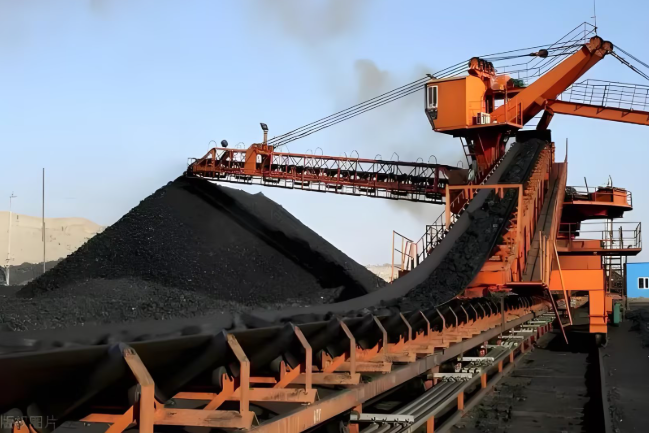
Coke fines, also known as coke breeze, are often overlooked due to their fine particle size, low strength, and high dust generation, which make them difficult to handle and unsuitable for direct furnace use. However, their high carbon content and strong reactivity give them significant untapped potential.

With proper cold briquetting technology, coke fines can be transformed into stable, high-value fuel for steelmaking and other high-temperature industrial applications. This article outlines the fundamental types and properties of coke fines, their key industrial uses, and how cold briquetting helps maximize their value.
What Are Coke Fines?
Coke fines are ultra-fine carbonaceous particles generated during the crushing, screening, and handling of solid carbon fuels. Rich in fixed carbon and possessing high calorific value, these fines represent a promising secondary energy resource. Coke fines can be categorized into these types based on their origin:

- Coal coke fines: Produced through the pyrolysis of high-volatile coal at 450°C to 900°C in an oxygen-free environment.
- Petroleum coke fines (petcoke fines): A byproduct of high-temperature thermal cracking during heavy oil refining.
- Metallurgical coke fines: generated during crushing and screening of metallurgical coke, mainly used in blast furnace ironmaking.
- Anthracite coke fines: derived from anthracite coal, characterized by high carbon content and low volatile matter, suitable for specialty metallurgical processes.
- Calcined coke fines: coke that has undergone high-temperature calcination, often used in aluminum smelting and other high-purity carbon applications.
Due to their ultra-fine particle size and poor flow characteristics, they are not suitable for direct application. With appropriate processing technologies, their energy and material value can be effectively recovered.
Key Characteristics of Coke Fines
Coke fines typically account for 16–20% of total coke output, depending on crushing and screening conditions. These ultra-fine particles exhibit the following characteristics, as widely reported in industrial practice and technical literature:
- Particle size: generally below 10 mm
- Ash content: often above 20%, especially in undersize screen fractions
- Calorific value: high, approximately 6,800–7,500 kcal/kg, making them suitable as a secondary fuel
- Handling challenges: poor flowability and high dust generation in loose form
- Other notable features: low phosphorus content, high reactivity, and strong specific electrical resistance
(Sources: Ironmaking Conference Proceedings, ASTM standards, and industry reports on coke breeze utilization)
Industrial Uses and Economic Benefits of Coke Fines
Coke breeze plays a vital role in various high-temperature industrial processes due to its rich fixed carbon content and high calorific value. Far from being a mere by-product or waste, coke breeze serves multiple critical functions across metallurgical and energy sectors, demonstrating its considerable industrial value.
- Sintering: Acts as an essential fuel and heat source during the sintering of iron ore fines, enhancing agglomeration and improving downstream ironmaking efficiency.
- Pelletizing: Used as internal fuel in iron ore pellet production, providing heat for pellet formation and improving pellet strength.
- Foundries and Metallurgy: Supplies carbon for reduction reactions in ferroalloy and non-ferrous metal production, ensuring process stability and product quality.
- Fuel Substitution: Replaces more expensive fuels in rotary kilns and industrial boilers, helping to reduce operational costs and carbon emissions.
Recovering and upgrading coke breeze contributes to reduced raw material consumption, enhanced furnace operation, and minimized particulate emissions. This practice supports sustainable resource utilization while helping industries comply with increasingly stringent environmental regulations.
Enhancing Coke Fines Usability Through Tailored Binder Technology
Due to the ultra-fine particle size and poor mechanical strength of coke breeze, cold briquetting presents significant challenges. Without proper treatment, coke fines are difficult to compact and are prone to breakage during handling or high-temperature use.
Cold Briquetting improves the usability of coke fines by forming uniform, dense briquettes with additives that increase strength and crush resistance. Cold briquetting is especially valued for its energy efficiency and its suitability for processing ultra-fine materials. In this process, coke fines are mixed with binders and compressed into strong, cohesive briquettes.

The performance of these briquettes depends heavily on the choice of binder. Selecting the right binder is therefore a key factor in the success of cold briquetting operations.
Selecting the Right Binder for Cold Briquetting of Coke Fines
A suitable скоросшиватель must ensure strong adhesion, mechanical integrity, and compatibility with downstream processes. This is particularly important for coke fines. Binders commonly fall into three main categories. Each type has unique characteristics, along with specific advantages and trade-offs:
1. Inorganic Binders
Inorganic binders such as bentonite, slaked lime, and clay are widely available and low-cost. They form bonds through hydration reactions when mixed with water and coke fines. These binders provide good high-temperature strength, but they do not combust and often increase ash content in the briquettes. Their weak adhesion at room temperature also limits cold-state strength, making them less suitable for applications that require mechanical durability before heating.
2. Organic Binders
Organic binders include starch, tar pitch, emulsified asphalt, humic acid, and lignosulfonate. They typically require lower dosages and offer stronger adhesion in cold-state briquetting. When combusted, they leave minimal ash residue. However, they are usually more expensive and may degrade under high temperatures, resulting in reduced briquette strength. Some organic binders (e.g., tar-based) also produce smoke or sulfur emissions, raising environmental concerns.
3. Composite Binders
Composite binders combine organic and inorganic components to balance performance and cost. They are designed to enhance both cold compressive strength and thermal stability while reducing ash content and improving environmental compatibility. This hybrid approach is increasingly favored for briquetting coke fines, especially when high mechanical strength and process compatibility are both required.
Key Considerations for binder selection
When selecting a binder for coke fines, consider the following:
- Cold strength requirements: Organic or composite binders are often preferred for ensuring strength during transport and storage.
- Ash content control: Use low-ash organic or hybrid binders to maintain fuel quality.
- Thermal behavior: Ensure the binder does not interfere with downstream sintering, combustion, or metallurgical reactions.
- Environmental impact: Choose formulations that minimize emissions and comply with regulations.
Building on the key considerations in binder selection, Jianjie offers customized composite binder systems tailored for cold briquetting of coke fines. Designed to solve challenges like poor adhesion and low mechanical strength, our solutions deliver cohesive, high-strength briquettes that perform reliably from storage to high-temperature applications. By ensuring strong bonding and minimal environmental impact, Jianjie binders lay the foundation for stable, cost-effective industrial operations.
Key advantages of Jianjie binders:

✅ Custom formulation
Binders are specifically developed to match the mineral composition and particle characteristics of coke fines, ensuring strong adhesion and stable briquette formation.
As part of our EPC services, Jianjie offers comprehensive solutions, including equipment selection, process optimization, and binder application, to ensure smooth production and enhanced briquette quality.
✅ High mechanical strength
Briquettes maintain integrity during transport, storage, and high-temperature use, reducing breakage and material loss.
✅ Thermal stability and process compatibility
Jianjie binders are designed to withstand thermal stress and integrate seamlessly with downstream smelting or combustion processes.
✅ Eco-friendly and low-dosage
Our advanced formulations reduce binder consumption while meeting environmental standards for emissions and residue.
✅ Improved automation and safety
Stronger, cleaner briquettes make handling and feeding more consistent, minimizing manual labor, fire hazards, and dust emissions.
Together with mechanical and hydraulic pressing equipment, Jianjie solutions help customers produce high-quality briquettes that are easier to handle, store, and feed into furnaces. This approach also supports circular resource use and helps lower overall operational costs.
Addressing Coke Fines Briquetting Challenges with Jianjie
While cold briquetting offers a valuable way to enhance the use of coke breeze, the process often faces significant technical and operational challenges. These include issues related to raw material properties, binder performance, equipment durability, and environmental compliance.

Key Challenges in Coke Fines Briquette Production
Material Limitations
- Ultra-fine particle size and poor flowability
- High ash content reducing briquette quality
- Inconsistent moisture levels that affect compaction and final strength
Binder Selection and Use
- Incompatibility with downstream smelting or gasification processes
- Difficulty in balancing binder dosage with required briquette strength
- High costs or unstable supply in large-scale production
Mechanical Performance
- Low Cold Crushing Strength (CCS) leading to product breakage
- Briquettes prone to crumbling during handling, storage, and transport
Equipment and Process Risks
- Excessive wear from abrasive fines
- Die sticking and uneven compaction
- High maintenance needs due to poor machine adaptability
Environmental and Regulatory Pressure
- Dust emissions along production lines
- Non-compliance with increasingly strict emission and waste control regulations
Jianjie’ s Proven Solutions for Coke Fines Briquetting
Jianjie offers integrated solutions that address the above challenges and enable high-performance, low-emission briquetting processes tailored to your production goals.
✔ Customized Binder Systems
We develop eco-friendly, high-strength binders designed to match your coke powder characteristics and downstream usage. These binders ensure high compressive strength, thermal stability, and minimal interference with smelting or combustion.
✔ Pre-treatment and Conditioning
Optional drying, granulation, and mixing steps improve raw material uniformity and binder integration, ensuring better briquette quality from the start.
✔ Pilot Testing and Process Optimization
We provide laboratory-scale testing and simulation to help you determine the ideal binder ratio, moisture content, and pressing parameters, reducing production risk before full-scale deployment.
✔ Environmental and Compliance Support
Our solutions include dust collection and emission control systems that support compliance with national and international environmental standards. Low-emission binder options further reduce pollution during production.
✔ Technical Service and Support
Jianjie engineers offer both on-site and remote guidance, including operator training, process adjustments, and ongoing technical upgrades to ensure long-term stability and performance.

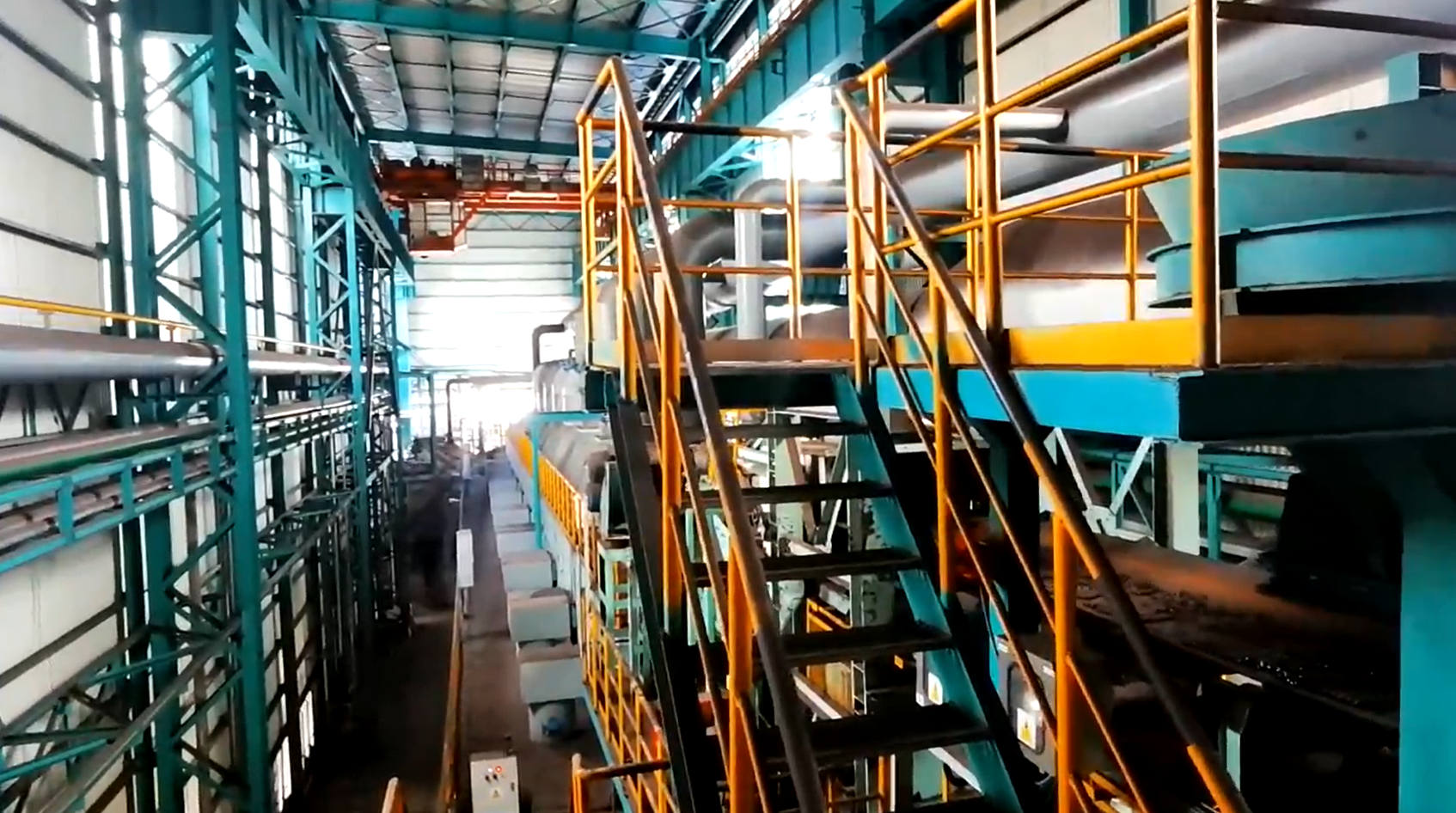
On-site inspection by Jianjie technical personnel
Working together to Maximize the Value of Coke Fines
As global industries face growing demands for sustainability, efficiently managing and reusing coke fines has become crucial. Jianjie’ s tailored briquetting binder solutions enable steel and coke producers to transform coke fines from waste into valuable resources.
By enhancing raw material utilization, reducing emissions, and cutting operational costs, our technologies pave the way for cleaner production and a more circular metallurgical supply chain.
Partner with Jianjie to unlock the full potential of your coke fines. Our advanced briquetting systems and customized binders help you reduce waste, improve process stability, and comply with environmental standards.
Contact Jianjie today to schedule a free consultation or site evaluation, and take the next step towards sustainable and cost-effective coke fines management.

 Russian
  English
  Arabic
  Chinese
  Indonesian