
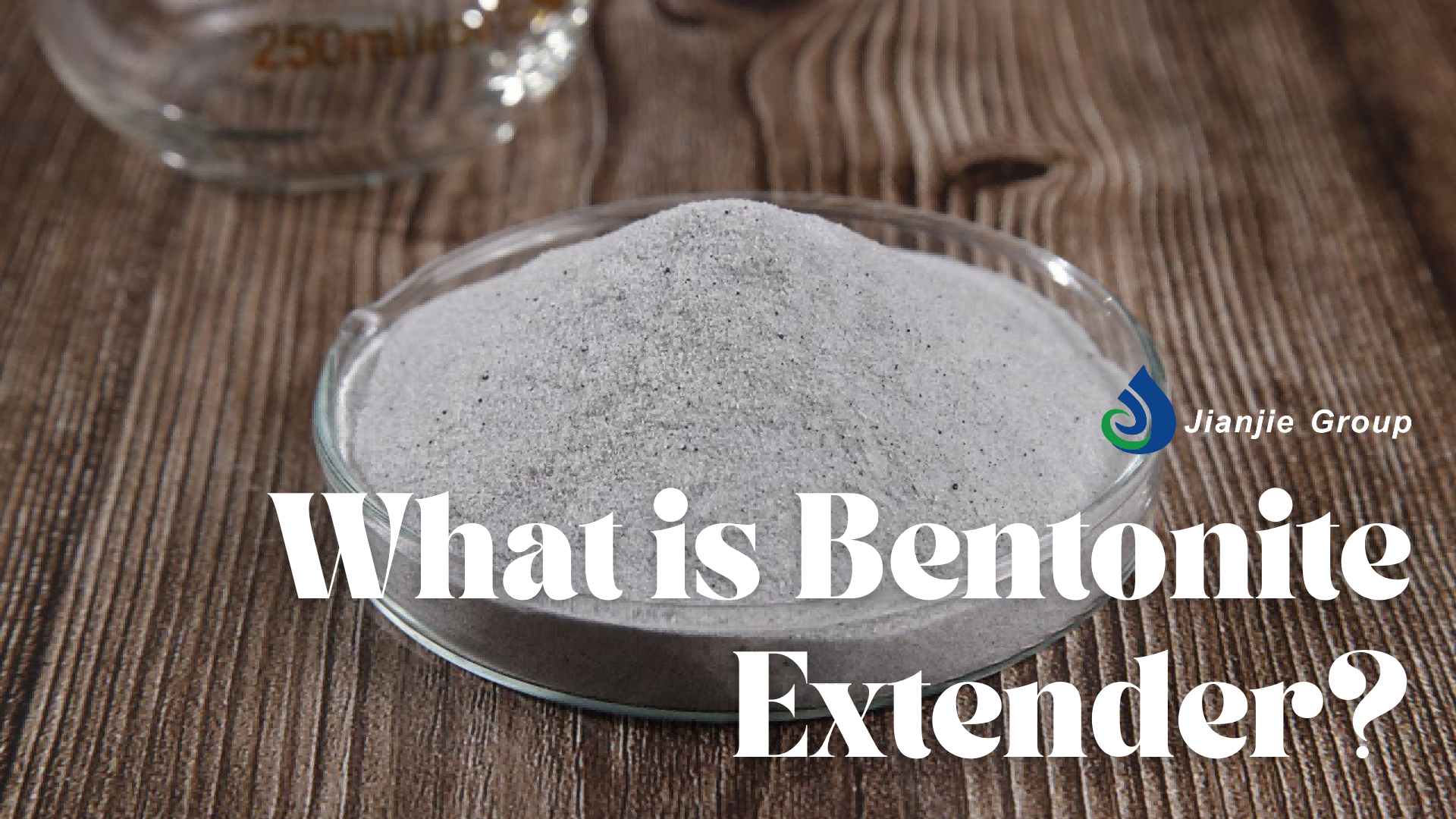
In the world of pelletizing—particularly iron ore pelletization—бентонит has been a staple binder for decades. Its ability to absorb water and bind fine particles makes it effective and widely used. However, bentonite adds unwanted impurities such as silica (SiO2) and alumina (Al2O3) to the final product and can also increase operational costs. That’s where bentonite extenders come in.
Bentonite extenders are materials or additives that reduce the dosage of traditional bentonite while maintaining—or even improving—pellet quality. In this article, we’ll explore what bentonite extenders are, why they’re used, how they work, and what benefits they offer. We’ll also suggest how to choose the right product and visuals you should consider if you’re publishing a blog or product page.
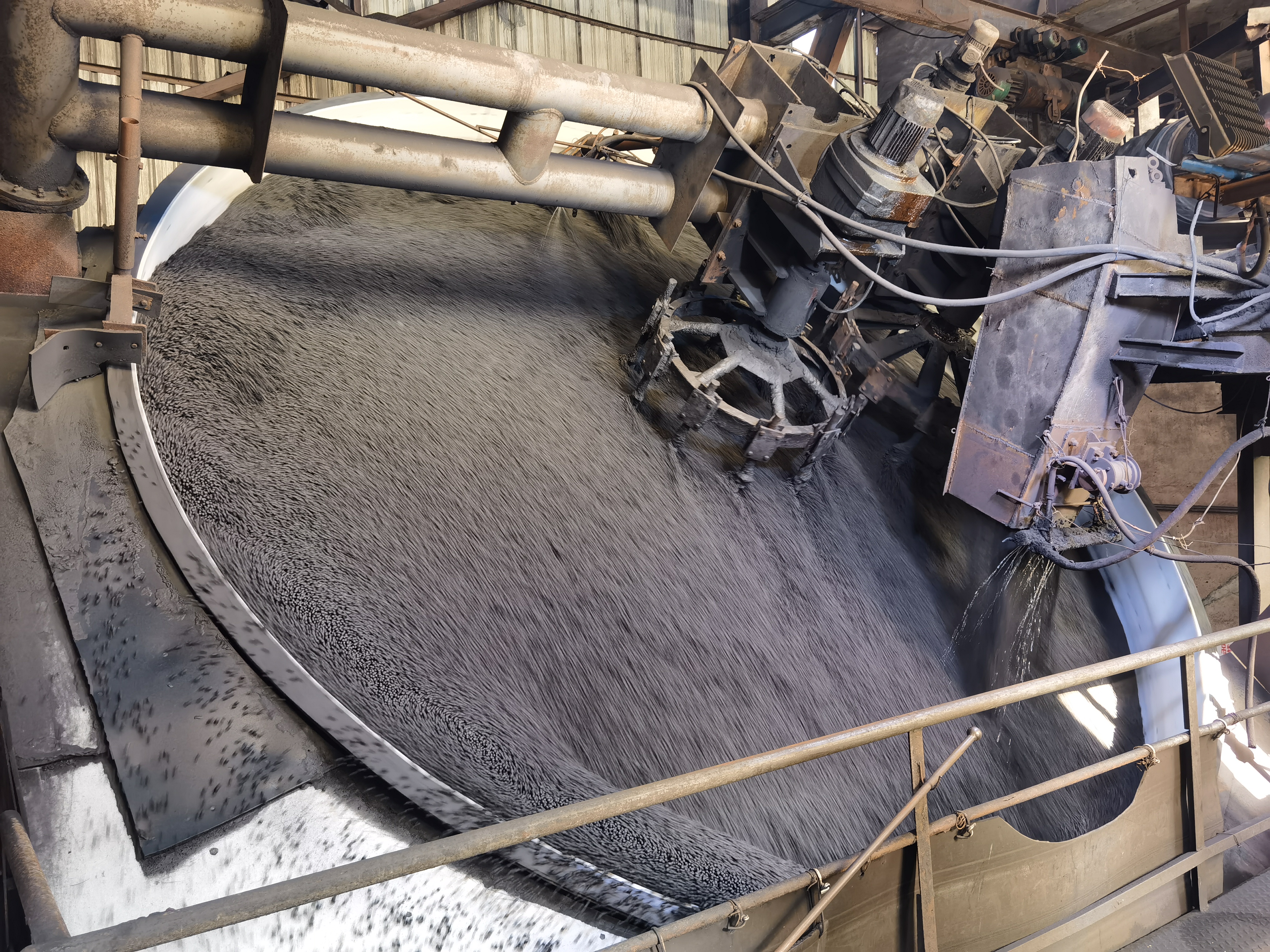
Pelletizing Using Disk Granulator
What is Bentonite and Why is it Used in Pelletizing?
Bentonite is a naturally occurring clay composed mainly of montmorillonite, a mineral known for its exceptional ability to absorb water and swell. These properties make it an ideal binder in iron ore pelletizing, where finely ground iron ore particles must be agglomerated into uniform pellets. When bentonite is added to iron ore fines during the pelletization process, it absorbs moisture, expands, and creates a gel-like binding structure. This helps to glue the ore particles together and allows the formation of round, stable “green pellets” that can then be dried and sintered at high temperatures.
Using Bentonite in Pelletization:
- Improves green pellet strength (wet pellets hold their shape during handling)
- Enhances dry pellet durability (minimizes cracking and dust during drying)
- Supports high-temperature performance during roasting or sintering
- Promotes thermal stability and uniform pellet size
These advantages make bentonite binder essential in iron ore processing and pelletization—especially for direct reduction (DRI) or blast furnace pellet applications.
The Problem with Bentonite: Cost, Impurities, and Energy
Despite its effectiveness, bentonite has some serious limitations that can affect both operational costs and product quality.
Common challenges with bentonite in pelletization:
- High consumption: the dosage of bentonite varies with the quality of itself. Usually, the dosage ranges from around 0.7% – 1.6%.
- Increased impurities: Bentonite introduces silica (SiO₂) and alumina (Al₂O₃) to pellets, which negatively impact the qualities of finished pellets and even the steel.
- Energy burden: The presence of bentonite requires higher sintering temperatures and contributes to ash content. The higher the ash content in the bentonite, the lower the quality bentonite has.
To address these issues, pelletizing are turning to bentonite extenders.
What is a Bentonite Extender?

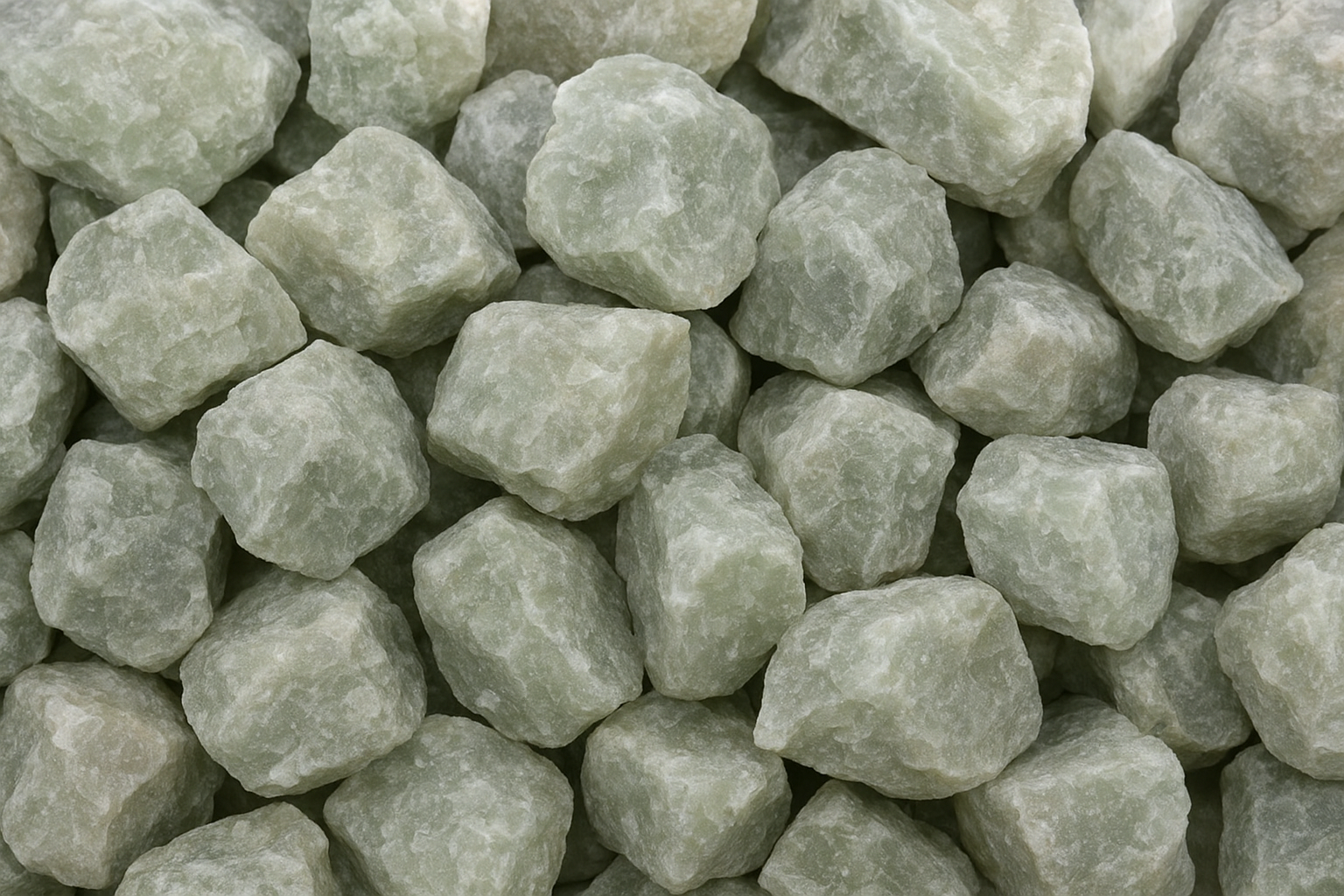
Бентонитовый расширитель
A bentonite extender is a specially formulated additive that reduce the dosage bentonite in the pelletizing process. It is designed to reduce bentonite usage, while maintaining or even improving pellet quality and plant efficiency.
By applying physical, chemical, mechanical, and other treatment methods to the surface of bentonite, the physical and chemical properties of minerals can be purposefully modified according to application needs. This enhances the properties, functions, and overall value of bentonite for use in various technologies and fields.
Bentonite extender typically is formulated by the following components:
– Organic binders (e.g., starches, carboxymethyl cellulose)
– Industrial solid waste (e.g., fly ash, steel slag)
– Low-silica mineral powder
– Polymers or dispersants
These ingredients work in synergy with residual bentonite to deliver effective binding and additional benefits, such as lower impurities, better pellet uniformity, and reduced costs.
Jianjie bentonite extender is formulated from an advanced blend of water-soluble polymers, which can enhance binding performance and high-temperature stability of bentonite through its hydrophilic, complexing, and binding properties.
How Bentonite Extenders Work in Pelletization
Bentonite extenders improve binding by enhancing several mechanisms:
Capillary Binding: Fine extenders help form capillary bridges during pellet drying.
Gel Reinforcement: Some extenders work synergistically with bentonite’s gel-like structure, boosting adhesion.
Film Formation: Organic polymers coat particles and create thin films that hold fines together.
Particle Packing: Extenders improve particle size distribution, increasing green pellet density.
Benefits of Using Bentonite Extenders
1. Cost Savings
Less bentonite = lower raw material cost and lower thermal processing cost.
Reducing bentonite usage cuts expenses. Many extenders are made from affordable or recycled materials, adding economic value.
2. Low Impurity Pellets
Reduces SiO₂ and Al₂O₃ levels, meeting stricter specifications for steelmaking.
Less bentonite means fewer impurities like SiO₂ and Al₂O₃, helping producers meet stricter quality specifications for advanced steelmaking.
3. Improved Pellet Properties
Increased green pellet strength and dry pellet durability, especially with customized formulations.
The right extender blend can increase green pellet strength, reduce drying cracks, and boost resistance to thermal shock.
4. Environmental Gains
Reduced mining of bentonite and lower energy requirements contribute to sustainability.
Reduced ash and improved pellet structure often lead to lower sintering temperatures and energy savings.
5. Process Optimization
Adaptable to different ores (magnetite, hematite, limonite) and pelletizing technologies (disc or drum).
Extenders can be tailored for:
- Various ore types (magnetite, hematite, limonite)
- Different pelletizing equipment (disc, drum)
- Specific target pellet properties (compressive strength, tumble index)
How to Choose the Right Extender for Your Bentonite?
The effectiveness of a bentonite extender depends on your specific operation. Factors to consider include:
- Ore mineralogy and fineness
- Pelletizing equipment
- Desired mechanical properties
- Existing bentonite dosage
- Cost targets and impurity thresholds
At Jianjie Binder, we help pellet plants identify the optimal blend by offering many advantages:
1. Improve bentonite viscosity property, it can reduce appropriately SiO2 and Al2O3 content in pellets.
2. Remain a higher TFe comparing with traditional binders.
3. Improving elastic strength.
4. High-temperature resistance.
As well as supports including:
✔ Customizable binder formulation based on the ores
✔ Process matching and technical support
✔ Binder supply and field application guidance
Summary
Bentonite extenders offer a smart solution for modern pelletizing needs. By reducing bentonite consumption while maintaining performance, they help producers cut costs, improve pellet quality, and meet stricter impurity and sustainability standards. Whether you’re processing iron ore, manganese ore, or industrial solid waste, choosing the right binder—natural, modified, or composite—can significantly impact your operational efficiency and product quality.
For pellet plants aiming for low-emission, high-performance operations, investing in bentonite extender technology is no longer optional—it’s essential.
Want to know how much you could save?
If you’re considering using a bentonite extender in your pelletizing process, our specialists can provide a customized economic benefit analysis based on your ore type, production scale, and process flow.
Contact us today to explore your cost-saving potential with a tailor-made binder solution.


 Russian
  English
  Arabic
  Chinese
  Indonesian