
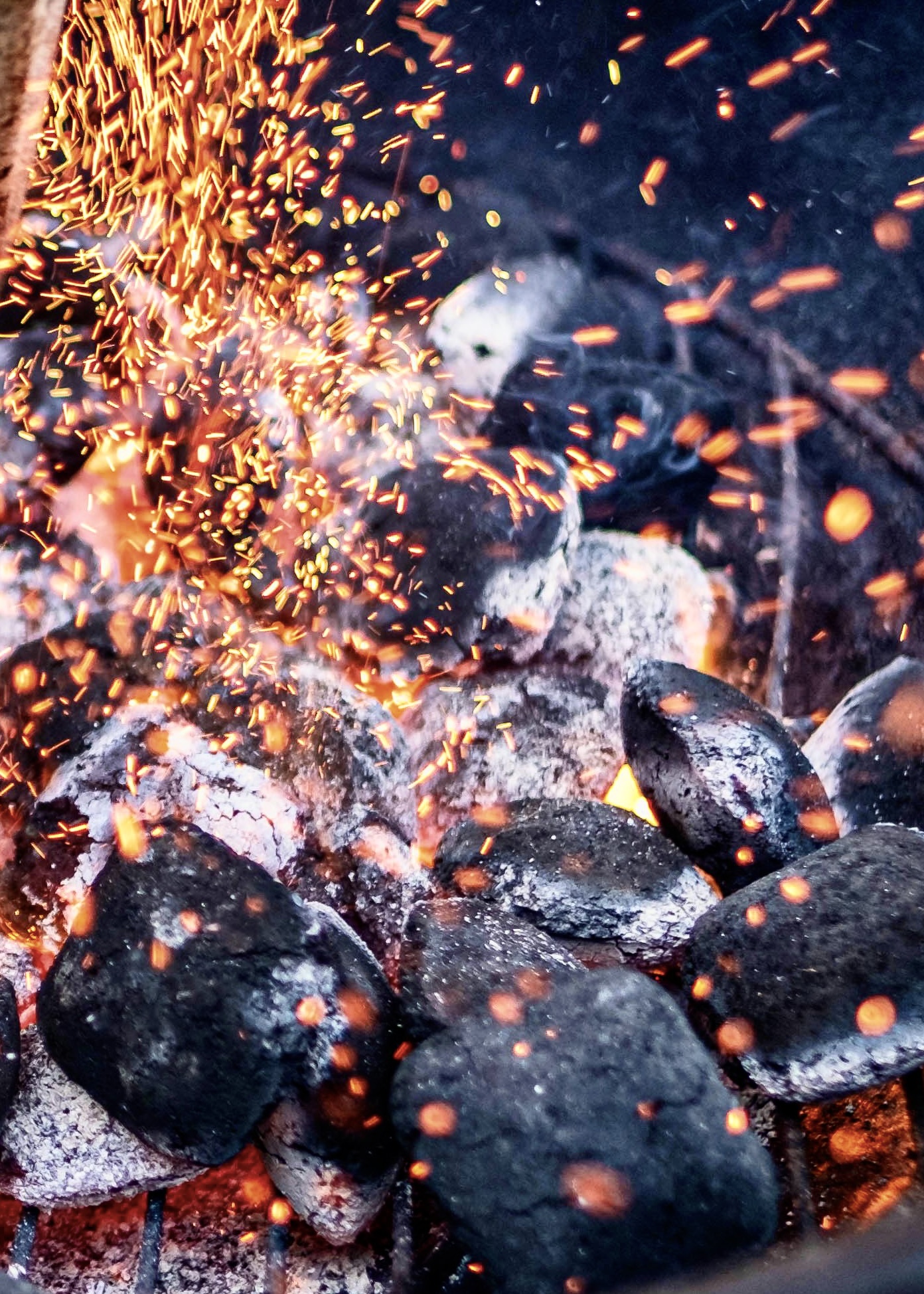
Anthracite coal is one of the most efficient and cleanest-burning fuels available, making it a valuable resource for both industrial and domestic applications. In this guide, we will explore the fundamentals of anthracite coal, including its formation, characteristics, and the briquetting process. We will also discuss its advantages, applications, and factors that influence its performance. Whether you are new to anthracite coal or looking to optimize its use, this guide provides comprehensive insights to help you make informed decisions.
What is Anthracite Coal?
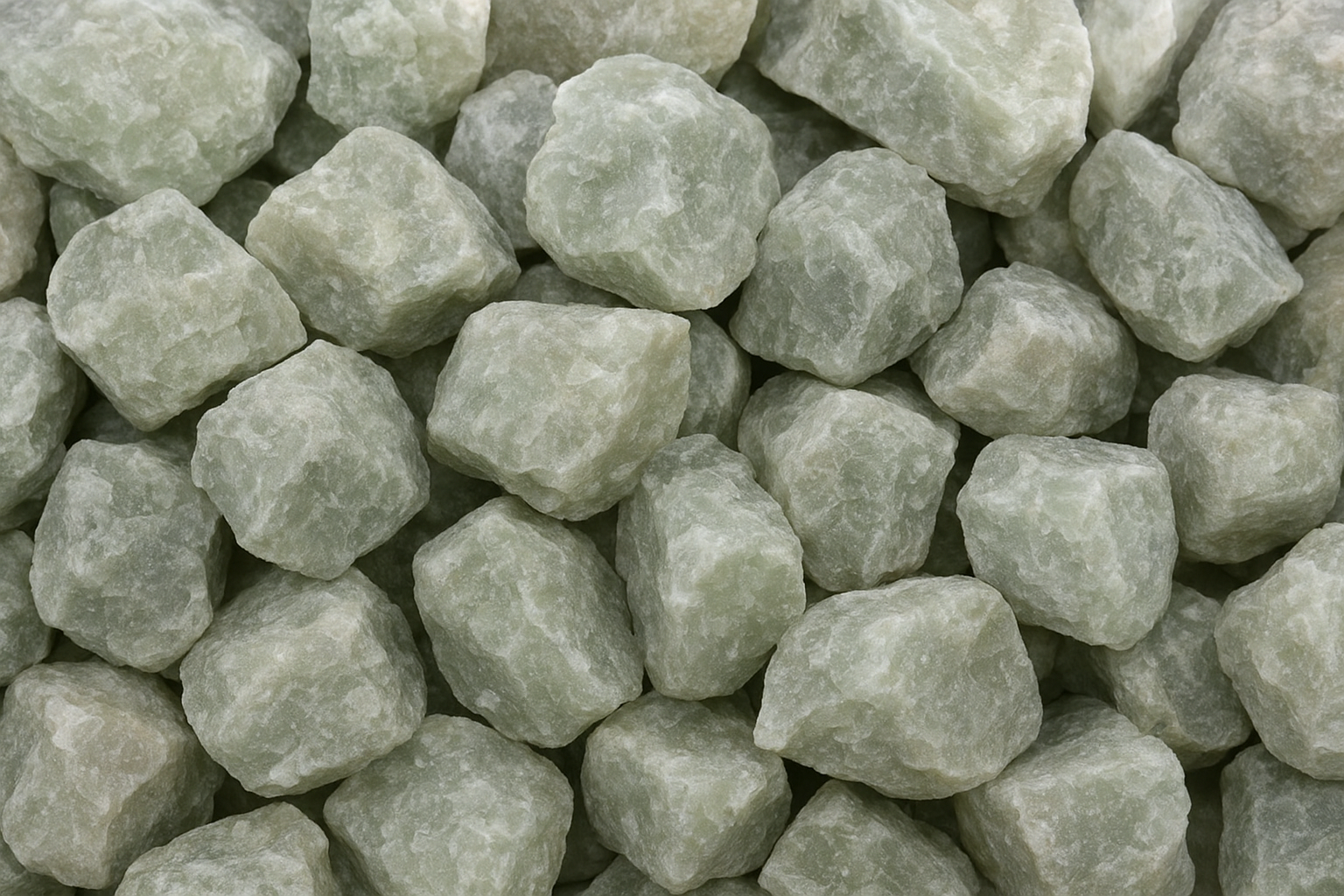
Among the four primary types of coal (anthracite, bituminous coal, sub-bituminous coal, and lignite), anthracite is the highest grade. It has high carbon content, low moisture, low impurities, and clean-burning properties (low volatile matter). It burns cleaner, longer, and hotter than other types of coal, making it a premium fuel choice for both industrial and residential applications. Anthracite is also commonly referred to as “hard coal” due to its dense and durable nature. It is able to undergo extensive metamorphism under high heat and pressure over millions of years, which helps remove most of the volatile matter and moisture, resulting in a highly efficient and energy-dense fuel. Due to its hardness and density, it also has excellent storage and handling properties, minimizing dust and material loss during transport.
Key Benefits of Anthracite Coal
- High Energy Output: Anthracite has the highest energy density among all types of coal. This means more heat is generated per unit of weight, making it ideal for high-efficiency heating systems and industrial kilns.
- Clean Combustion: It produces very little smoke, soot, or toxic emissions, making it an environmentally responsible option for combustion.
- Low Ash and Sulfur Content: This reduces air pollution and minimizes corrosive wear on machinery, extending equipment lifespan.
- Long Storage Life: Unlike softer coals, anthracite is resistant to weathering and degradation, ensuring consistent performance over time.
Applications of Anthracite Coal
- Metallurgical Industry: Used as a reducing agent in blast furnaces and electric arc furnaces, anthracite is a cost-effective alternative to coke. It is also used in sintering and pelletizing processes to enhance energy efficiency.
- Water Filtration: Crushed anthracite is an effective filtration medium for removing impurities from drinking water and wastewater. It is durable, chemically inert, and offers long filtration cycles.
- Power Generation and Heating: Its high calorific value makes anthracite ideal for residential stoves, industrial boilers, and district heating plants.
- Construction Materials: Anthracite is used in the production of refractory bricks and insulation materials due to its high-temperature resistance.
- Agriculture: When crushed into fine particles, anthracite can be used to improve soil aeration and moisture retention, enhancing plant growth.
- Barbecue and Cooking: Provides a clean-burning fuel option for grilling and cooking.
What is Anthracite Coal Briquetting?

Coal Briquettes
Anthracite coal briquetting is the process of compressing anthracite coal fines or powder into compact, solid briquettes. This process is particularly useful for converting coal byproducts, such as dust and fines, into a more manageable and efficient fuel source.
The Advantages of Cold Briquetted Anthracite
- Low Energy Consumption: Cold briquetting requires less energy than hot briquetting or traditional coal making, reducing overall carbon emissions.
- High Strength and Stability: With the right binder, cold-pressed briquettes exhibit excellent mechanical strength and thermal stability.
- Enhanced Combustion: Briquettes burn more evenly and efficiently, resulting in less ash and lower emissions.
- Cost Savings: Manufacturing and logistics costs are reduced due to uniform size, shape, and easier handling.
How to Make Anthracite Coal Briquettes?
The process of making anthracite coal briquettes follows the principles of cold briquetting and involves several key steps:
1. Raw Material Preparation: Crush and grind anthracite coal into fine particles.
2. Binder Addition: Mix the coal particles with a binder (such as starch, molasses, or lignosulfonate) to facilitate cohesion.
3. Compression: The mixture is compressed under high pressure using a briquetting machine, such as a hydraulic briquetting machine.
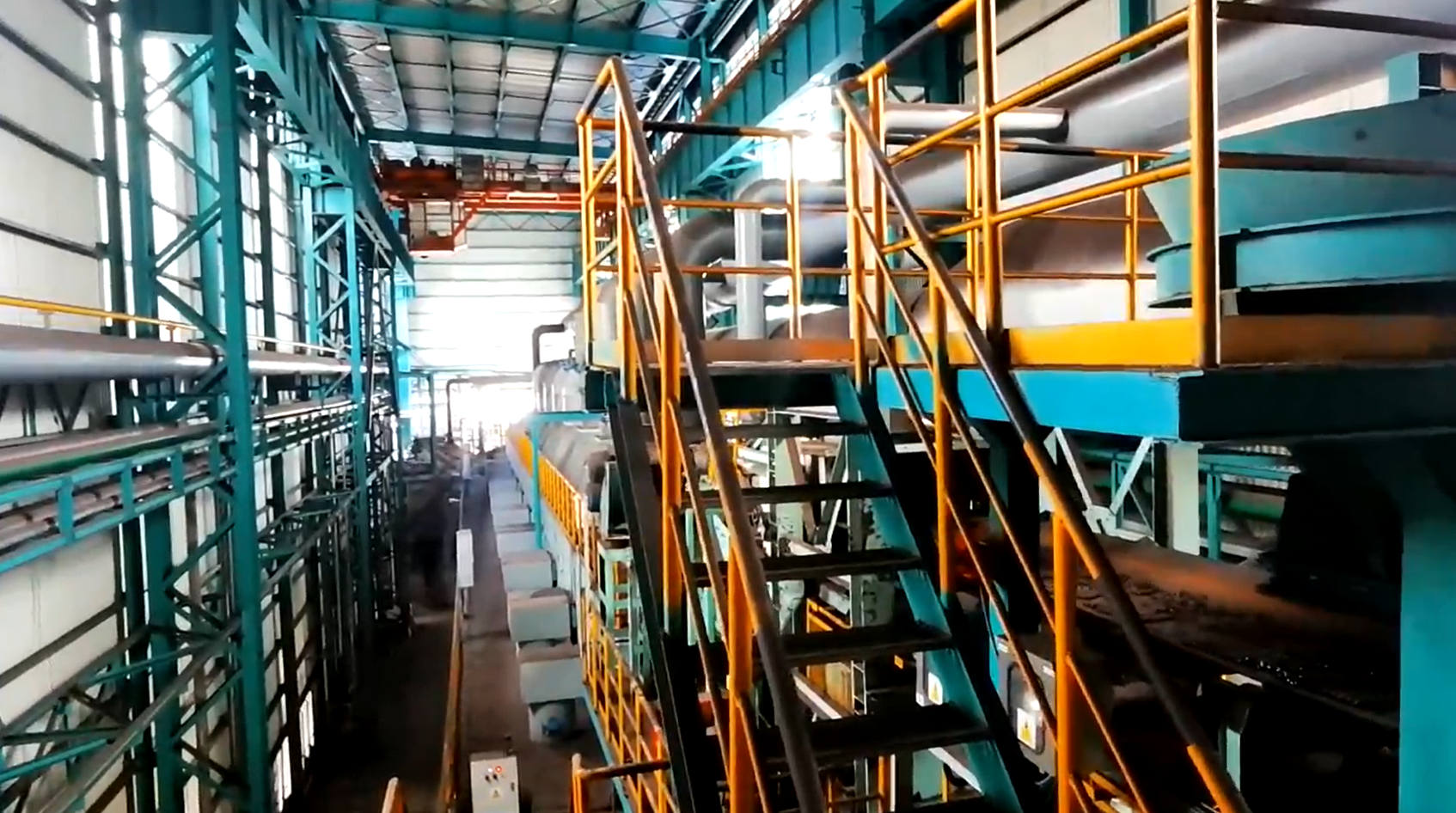
4. Drying and Curing: The briquettes are dried using a mesh dryer to harden and stabilize their structure.
Applications of Anthracite Briquettes
Anthracite briquettes are versatile and used in a wide range of applications, including:
- Industrial Fuel: Used in furnaces, boilers, and kilns for heating and energy generation.
- Domestic Heating: Ideal for stoves and fireplaces due to their high heat output and clean burn.
- Metallurgical Processes: Used as a reducing agent in metal smelting. For example, cold-pressed anthracite fines can be formed into small pellets or larger briquettes. Some use them in electric arc furnaces for steelmaking and in tin smelting electric furnaces for producing SnO₂-based tin. The briquettes serve as a compact, energy-dense fuel source and act as a deoxidizer in steel production.
- Water Filtration: Anthracite’s porosity makes it an excellent filter medium for water purification.

Factors that May Influence The Performance of Anthracite Coal Briquettes
While anthracite coal is a highly efficient fuel, its performance can be influenced by several factors:
Moisture Content: Excess moisture can reduce combustion efficiency. Proper drying is essential.
Binder Quality: The type and quality of binder used in briquetting impact the strength and combustion properties of the briquettes. For example, Jianjie binder for coal briquettes can achieve a qualification rate of 98%. With 1 ton of Jianjie binder, customers can produce 30-35 tons of coal briquettes. Once dried, these briquettes can achieve a strength of over 150kg and withstand more than 40kg of pressure at 1100℃.

Storage Conditions: Anthracite coal should be stored in a dry, well-ventilated area to prevent moisture absorption. Moisture can negatively impact the performance of anthracite coal.
Summary
Anthracite coal is a premium energy source with wide-ranging applications across industrial, environmental, and domestic sectors. Through cold briquetting, its usability and sustainability are further enhanced. As industries move toward cleaner and more efficient practices, anthracite and its briquetting solutions stand out as a compelling choice for the future.
Whether you are using anthracite coal for industrial applications, domestic heating, or water filtration, understanding its properties and the briquetting process can help you maximize its potential. By considering factors such as moisture content, binder quality, and storage conditions, you can ensure optimal performance and get the most out of this valuable resource.
Jianjie provides one-stop services for plants to improve production efficiency and create economic value. For further inquiries, please reach out to us!

 English
  Arabic
  Chinese
  Russian
  Indonesian