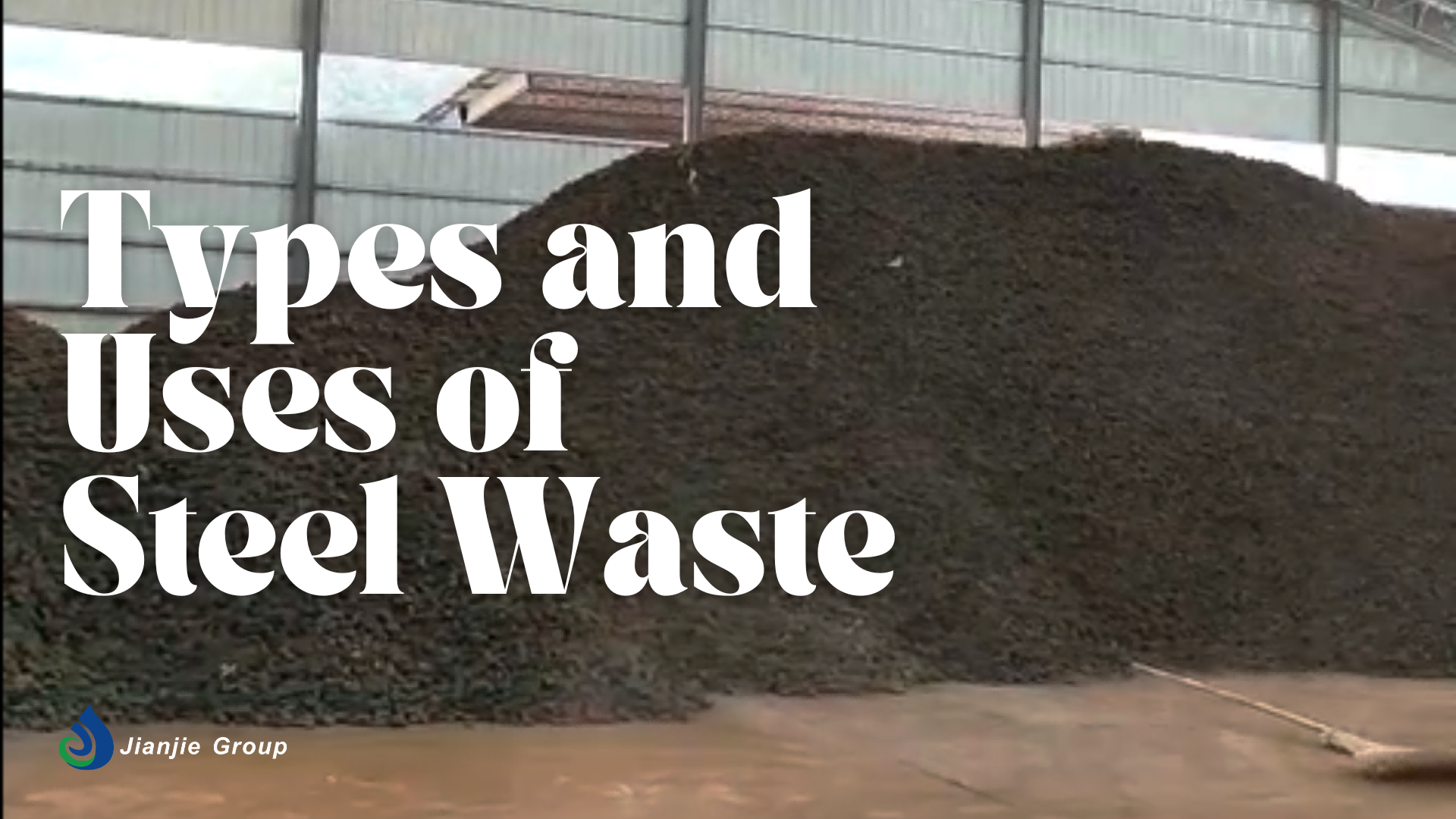
From dust and sludge to slag and scale, steel plants generate millions of tons of solid waste each year. While these materials are often treated as disposal challenges, they actually contain valuable iron and other metallic components. Efficient recycling of steel waste is not only a step toward environmental sustainability, but also a way to reduce raw material costs and improve overall production efficiency.
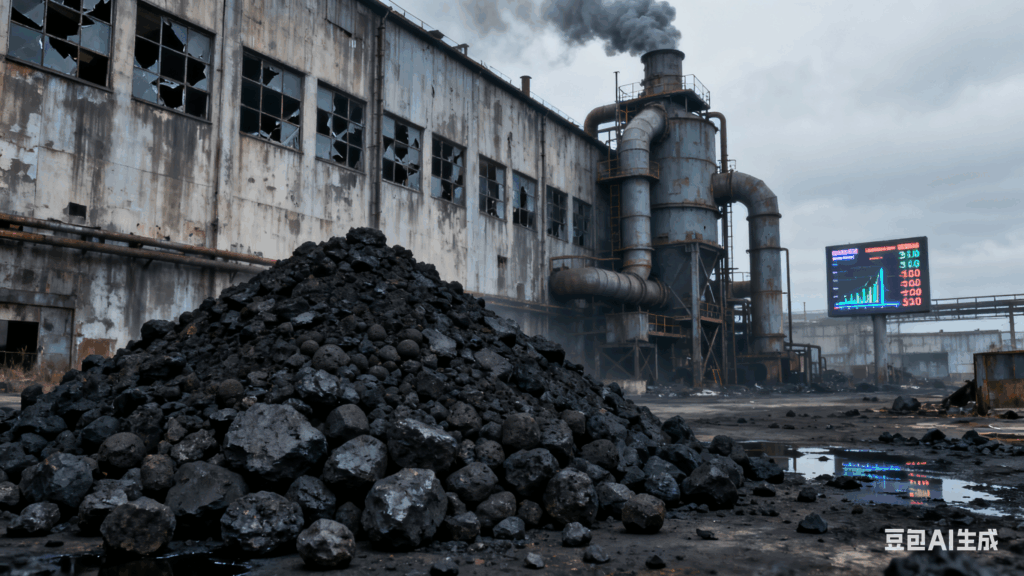
stocked and piled steel waste in plants
One of the most practical and cost-effective ways to recycle steel waste is through cold briquetting—a low-energy process that compresses fine, dusty materials into solid briquettes. In this article, we’ll walk you through the types of steel waste, how cold briquetting works, and how Jianjie Binder helps solve common briquetting problems.
What Are Steel Plant Solid Waste and Dust?
In the ironmaking and steelmaking processes, large volumes of by-products are generated as a result of physical separation, chemical reactions, and gas cleaning operations. These by-products are referred to as steel solid waste, and they include dust, sludge, scale, and slag. Though often regarded as “waste”, these materials still contain a significant amount of iron, carbon, and other recyclable metals.
Steel Plant Dust
Dust is one of the most common and problematic forms of waste in steel production. It is in the form of powder and fine particles. It is typically collected using bag filters or electrostatic precipitators. It is very fine, dry or semi-wet, and often contains iron oxides, zinc, calcium oxide (CaO), lead, and carbon. Because of its fine particle size and chemical activity, it is difficult to handle, store, or reuse directly.
Other Forms of Solid Waste
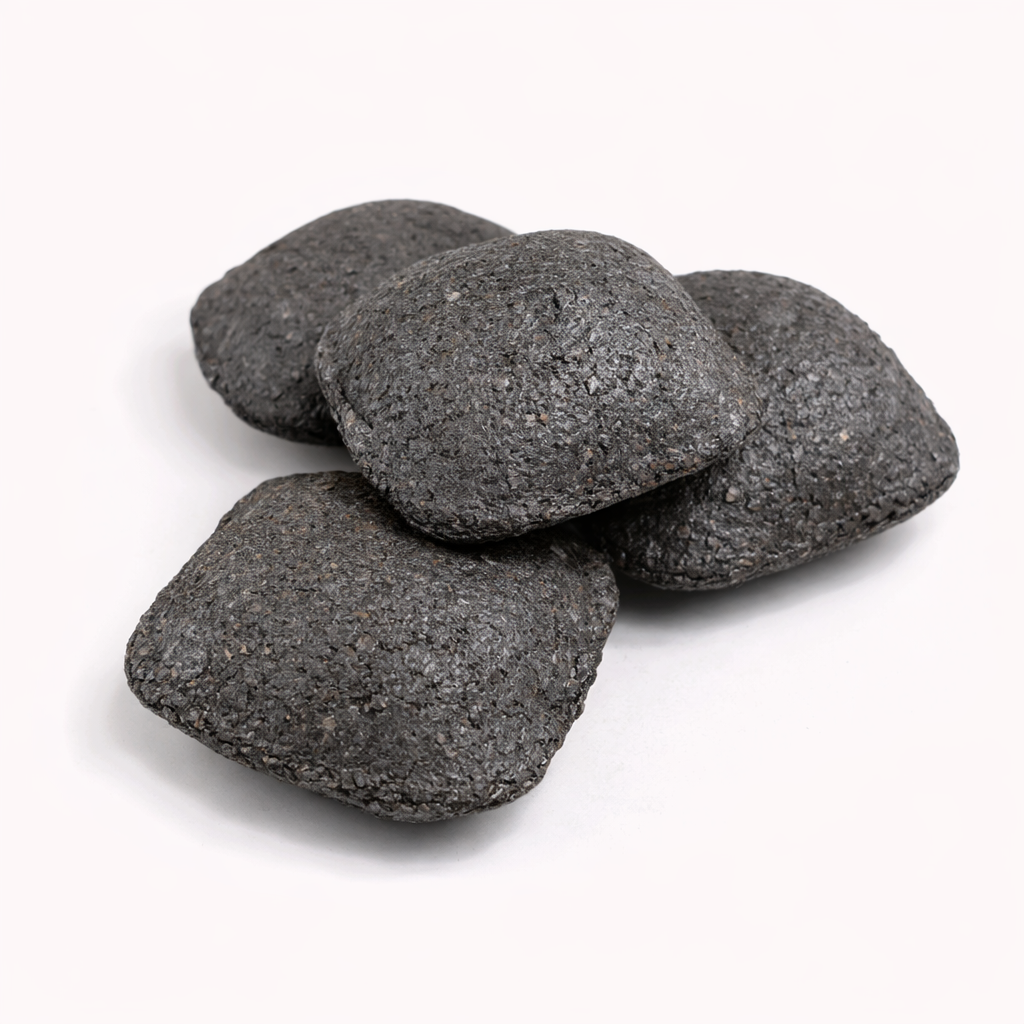
Sludge + Dust Briquettes
Sludge: Wet and sticky material formed during gas scrubbing and wastewater treatment. It contains moisture, iron, and sometimes heavy metals.
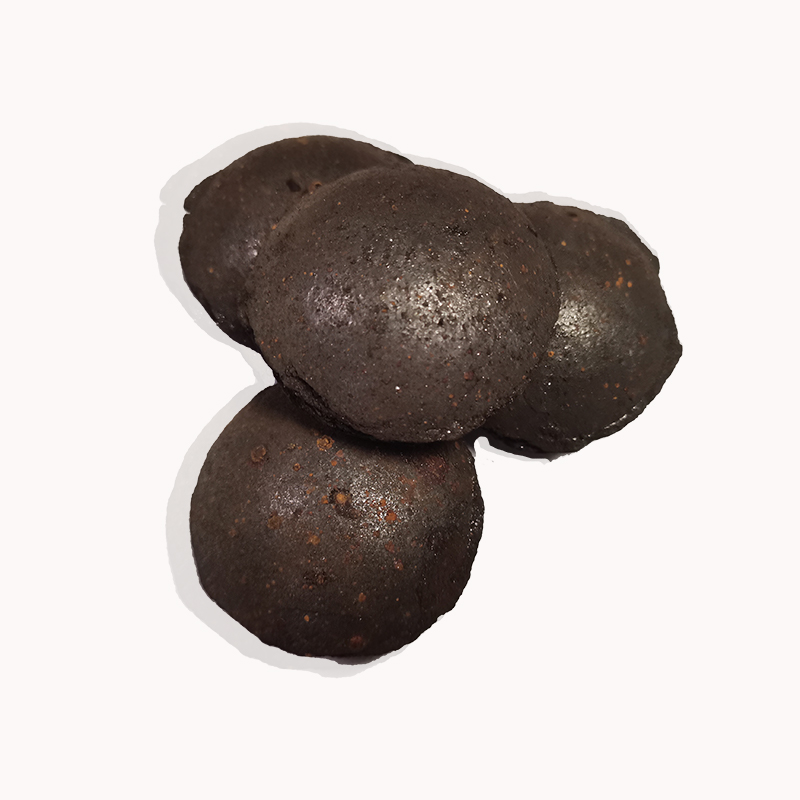
Mill Scale + Dust Briquettes
Mill Scale: Iron-rich flakes that form on the surface of steel during hot rolling and are collected from cooling water systems.
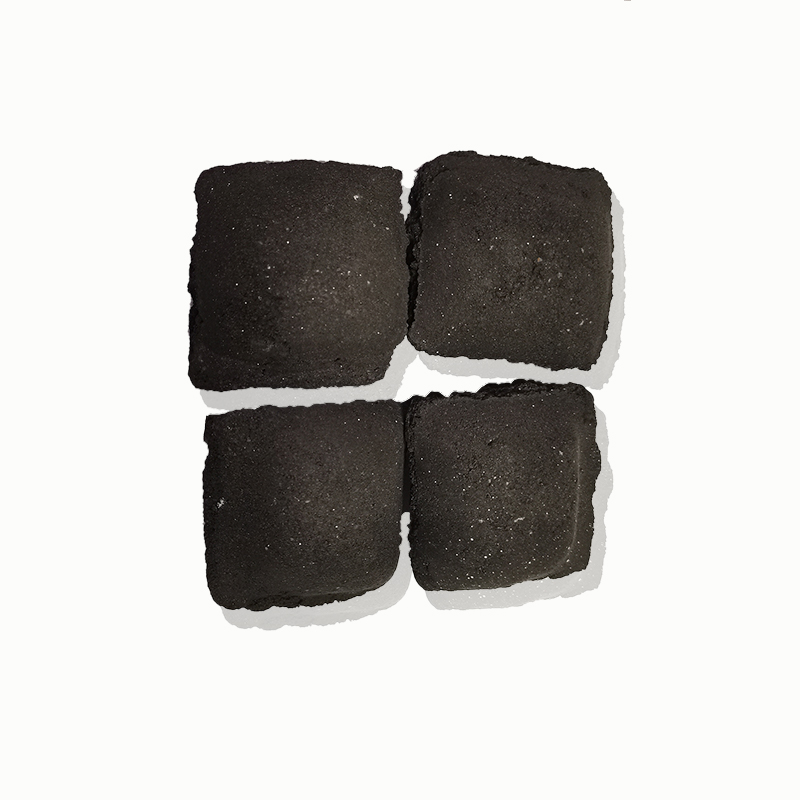
Steel Slag Briquettes
Steel Slag: A coarser, granular material produced during the separation of impurities in molten steel. Though bulky, it can be reused in construction or as furnace additives after processing.
Sources and Classification of Steel Solid Waste
Steelmaking involves several production stages—ironmaking, steelmaking, rolling, and material handling. Each of which generates different kinds of waste. These waste materials vary in particle size, composition, moisture content, and chemical behavior. Understanding these differences is key to selecting the right recycling method.
| Production System | Process Unit | Waste Type | Specific Waste Items |
| Mining & Beneficiation | Raw Materials | Mineral Powders | • Iron Ore Fines • Concentrates • Fluorspar Powder • Chromite Powder • Si-Mn Powder |
| Pre-Iron System | Sintering/Pelletizing | Dust & Sludge | • Sinter Return Fines • BF Gas Dust • BF Gas Sludge • Steel Grit |
| Ironmaking System | Blast Furnace (BF) | Dust Collection | • BF Dry Dust Collection • BF Tapping Field Dust • Hot Metal Ladle Station Dust • BF Material Handling Dust |
| Steelmaking System | Converter | Secondary Dust | • Converter Mixer Dust • Underground Silo Dust • Slag • OG Sludge |
| Electric Arc Furnace (EAF) | Mechanized Dust | • EAF Dust • Slag | |
| Refining Furnace | LF Refining Dust | • Refining Dust • Slag | |
| Rolling System | Rolling Mill | Scale | • Iron Oxide Scale |
These materials generated in steel making are often fine, sticky, or chemically active—making them hard to handle or reuse directly. Cold briquetting offers a practical way to turn them into value-added resources.
Components in Steel Mill Sold Waste
| Components in Dedusting Ash/Steel Dust (%) | |||||||||
| Dust Type | TFe | CaO | SiO2 | MgO | Zn | C | Al2O3 | Na2O | Pb |
| Sintering Dust | 23.1 | 11.0 | 3.2 | 1.5 | 0.5 | 10.0 | 1.5 | 2.24 | 2.15 |
| Blast Furnace Dust | 24.2 | 3.5 | 2 | 4.2 | 6.7 | 33.3 | 1.9 | 0.63 | 0.15 |
| Converter Dust | 60.7 | 10.5 | 4.4 | 2.5 | 0.11 | 1.6 | 1.7 | 0.43 | 0.03 |
| EAF Dust | ~36 | ~25 | ~2 | ~4 | |||||
| Mill Scale | 72.2 | 1.9 | 2.1 | 1.5 | – | 1.2 | 1.8 | – | – |
| Converter Sludge | 65.6 | 10.3 | 1.9 | 3.5 | 0.2 | 1.7 | 1.8 | 0.19 | 0.02 |
Cold Briquetting: A Proven and Efficient Solution for Steel Waste Recycling
Cold briquetting is a room-temperature compaction process that converts fine particles into dense, robust briquettes without the need for sintering or high-temperature treatment. It is especially suitable for:
- Fine dusts and sludges with high moisture content
- Wastes containing volatile elements like zinc and lead
- Composite waste streams requiring customized binder solutions
Cold briquetting provides clear benefits:
✅ Reduced dust emissions and waste handling cost
✅ Recovery of valuable metals
✅ Direct reuse in metallurgical furnaces
✅ Compliance with environmental regulations
Want to know how cold briquetting works in detail? Read our in-depth article: How Cold Briquetting Works for Steel Waste
Use of Briquetted Steel Waste (Dust and Slag Briquettes)
Briquetted steel waste has found successful application in various metallurgical operations. Depending on the waste composition and briquette properties, these can be used as:
1. Cooling Agent in BOF (Basic Oxygen Furnace)/Converter Furnace
Briquettes made from steel waste contain components such as CaO, FeO, and SiO, etc. that can work as substitute for fluxing medium (e.g. lime) in converter furnace. Adding steel waste briquettes into the converter furnace at the initial blowing phase can form slags in good fluidity and fasten the slag formation inside the converter furnace and the reactions such as desulfuration and dephosphorization.
2. Scrap Substitute in Electric Arc Furnaces (EAFs)
Iron scrap is used in EAFs for cooling, adjusting temperature, and providing metallic iron. Carefully pretreated steel waste briquettes can serve similar functions in EAFs and work as substitute for iron scrap because they have similar or even better physical and chemical components with iron scrap. They can also act as a coolant, help regulate the furnace temperature, provide supplemental iron content, and support slagging reactions.
3. Feedstock in Direct Reduction Furnaces
Briquettes made from steel waste (especially mill scale) with high iron content are ideal for furnaces using direct reduction technology such as shaft furnace, rotary kiln, or rotary hearth furnace when properly dried and formulated. They serve as a substitute for part of the iron ore fines, helping to reduce raw material costs and metal losses.
These applications have demonstrated excellent economic and environmental outcomes, contributing to circular economy goals and resource conservation.
Common Challenges in Briquetting Steel Plant Waste—and How to Address Them

While cold briquetting offers a practical and sustainable solution for steel waste recycling, success depends heavily on understanding the properties of the raw materials. Many briquetting failures are not due to equipment or process errors, but rather due to the incompatibility between binder systems and raw material characteristics.
Here are the most common raw material issues that lead to poor briquette performance:
Challenge 1: High Free CaO Content – Disintegration and Pulverization Risk
Dust or slag from converters and other steelmaking processes often contain high levels of free calcium oxide (CaO). This active CaO reacts with water, leading to volume expansion, which causes the briquettes to crack, disintegrate, or powder during curing or storage.
Water is the cheapest neutralizing agent—for every 1% of free CaO in the raw material, at least 0.45% additional water is needed for neutralization.
Quick Test for CaO: Add ~8g of water to 100g of raw material. If there is a noticeable exothermic reaction (heat release), active CaO is present. The more intense the reaction, the higher the reactivity.
Challenge 2: High Carbon Content – Elastic and Hard-to-Bond Materials
During the production of steel dust briquettes via cold pressing, if too much carbon (such as coke breeze or coal powder) is added to or originally contained in the raw material mixture, it will result in green briquettes with poor strength that are friable (easily crumbled). To address this strength issue, it becomes necessary to increase the addition of bentonite to the mix. However, adding more bentonite leads to increased costs.
Challenge 3: Unfavorable pH – Binder Performance Drops
The optimal pH range for effective binder performance is 7–10.
pH < 7: Indicates the presence of acidic substances, often seen in sulfuric acid slags or flotation-treated materials. These reduce binder effectiveness and may require special formulations.
pH > 10: Indicates high levels of alkaline materials, usually calcium-based, which may also interfere with binder activation.
Challenge 4: Excessive Moisture Content – Difficult to Mix and Form
When raw materials such as sludge have excess moisture>13% (e.g. sludge), they tend to form clumps, making it difficult to achieve uniform mixing. This prevents the binder from evenly coating particles, reducing bonding efficiency and final briquette strength.
Understanding these challenges is key to producing high-quality briquettes (extended read for how to evaluate the briquette quality). At Jianjie, we analyze your raw materials and offer customized binder solutions tailored to your specific pH, moisture, CaO, and carbon content levels. This ensures stable briquette formation, high strength, and furnace compatibility.
The Key Role of Binders in Steel Waste Briquetting
The success of cold briquetting heavily depends on the choice of binder. Steel plant solid waste poses several challenges that demand specific binder properties:
| Problem | Explanation | Jianjie Binder Solution |
| High CaO Content | Some wastes are rich in lime, which may cause briquettes to crack or disintegrate due to hydration and expansion. The binder must provide water resistance and structural stability. | Patented technology to resist CaO |
| Ultrafine Particle Size | Extremely fine powders are difficult to bind and may lead to weak briquettes. A high-viscosity binder helps form a strong internal matrix. | High-viscosity formula for tight particle bonding |
| High Furnace Temperature | Briquettes used in furnaces must resist thermal shock and maintain strength at elevated temperatures. | Excellent thermal resistance and low decomposition rate |
| Variable Moisture & pH & Raw Material Type | Different moisture and pH that are difficult to deal with. | Flexible formulations for wide application scenarios |
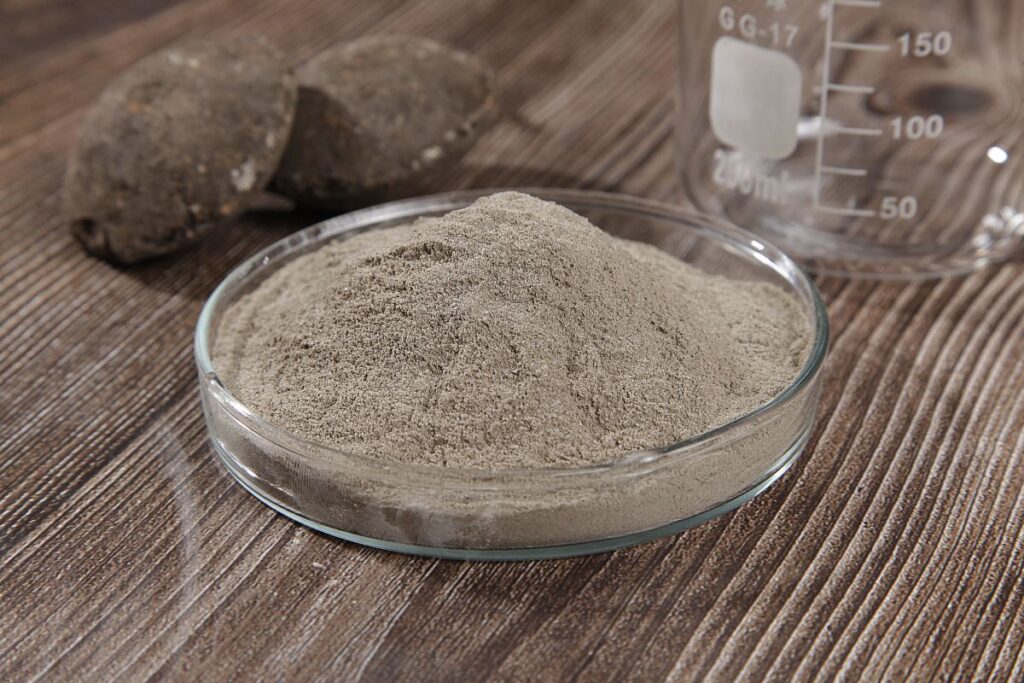
Jianjie Binder for Steel Dust and Waste
Environmental and Industry Drivers for Steel Waste Recycling
Today’s steel industry faces growing pressure to reduce carbon emissions and embrace circular practices. Cold briquetting aligns with multiple sustainability objectives:
- Minimizing landfill waste
- Reducing reliance on virgin ore
- Cutting energy consumption in sintering and pelletizing
- Supporting compliance with national environmental policies and ESG goals
As more steel plants transition toward green manufacturing, briquetting becomes not just an option—but a necessity.
Summary
If your plant is seeking effective ways to recycle dust, sludge, and slag, cold briquetting is the solution—and Jianjie Binder is your trusted partner. We offer:
- Free sample testing and briquette evaluation
- Customized binder formulations
- Process consulting and after-sales support
Contact Jianjie today to start turning your solid waste into solid value.
Also, if you are interested in the industry and want to contribute your strength, we are looking for briquette binder distributors! Click here to learn more about our distributor program.